GENERAL INFORMATION ABOUT THE HISTORY OF AZERBAIJAN
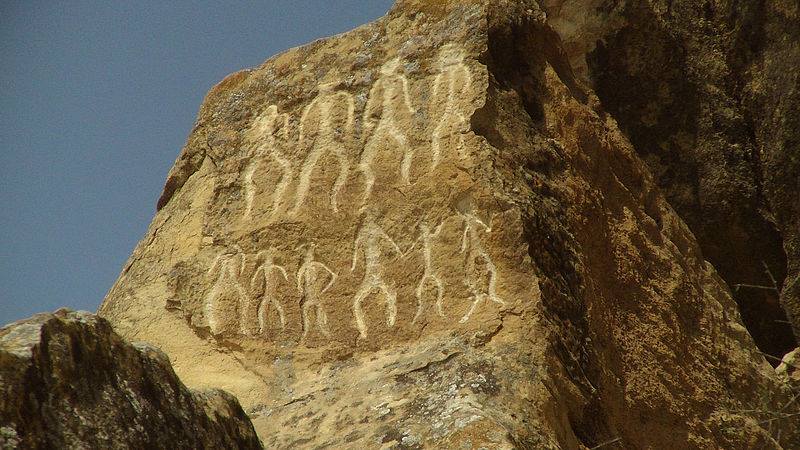
The Alagoz Range and Eastern Anatolia, including the Main Caucasus Mountains in the north, the Goycha Lake Basin in the west, the Caspian Sea in the east, and the Sultaniye-Zanjan-Hamadan border in the south, are one of the oldest cultural centers where modern civilization began to develop. The people of Azerbaijan have created a rich and unique culture, including the traditions of statehood, in the historical lands of Azerbaijan. The historical pronunciation of the name of Azerbaijan was diverse. In the sources, this name has been used since ancient times in the form of Andirpatian, Atropatena, Adirbijan, Azirbican and finally Azerbaijan.
The ancient history of Azerbaijan is written on the basis of archeological, ethnographic, anthropological and written sources. Things were discovered during archaeological excavations, t arixi resources and ethnographic materials collected during expeditions to the traditions and culture of the material and the spiritual, the former management forms, and family ties to study the membership.
During the archeological researches in the territory of the Republic of Azerbaijan, rich material culture samples related to the settlement of the first inhabitants were discovered and as a result, the territory of our republic was included in the list of human settlements. The oldest archeological and paleontological materials have been found in the territory of Azerbaijan, which show that the first primitive people began to live 1.7-1.8 million years ago.
The territory of Azerbaijan is extremely rich in archeological monuments, proving that this land is one of the oldest human settlements in the world.
Archaeological finds in the caves of Azykh, Taglar, Damjili, Dashsalahli, Gazma (Nakhchivan), as well as other monuments, including the jawbone of the ancient Asholian man who lived 300-400 thousand years ago ̶ Azykh man (Azykhantrop) proves that included.
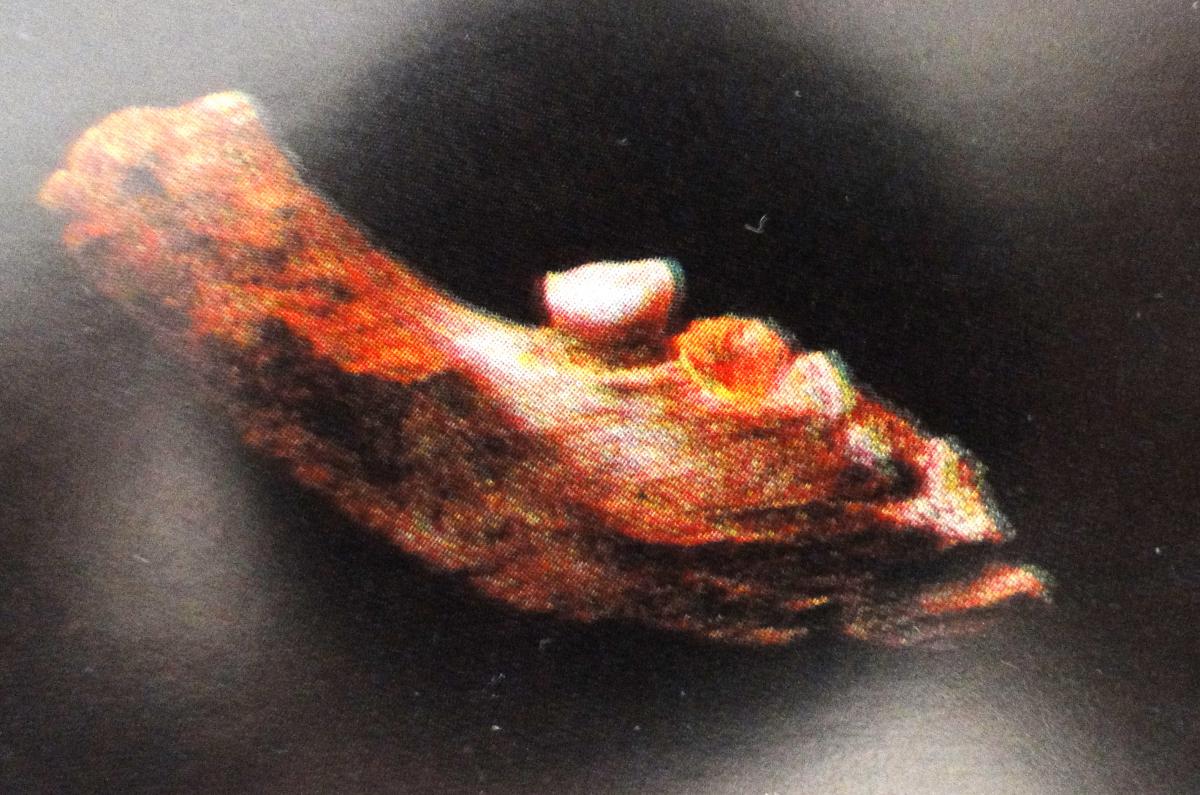
Due to this unique discovery, the territory of Azerbaijan was included in the map of "the oldest inhabitants of Europe".
The people of Azerbaijan are also one of the world's oldest statehood traditions. The people of Azerbaijan have a history of statehood of about 5,000 years. The first state institutions or ethno-political associations in the territory of Azerbaijan were formed in the Urmia basin from the end of the 4th millennium BC to the beginning of the 3rd millennium BC. The oldest Azerbaijani states formed here played an important role in the military-political history of the whole region. At that time, Azerbaijan had close relations between the ancient Sumerian, Akkard and Assyrian (Assyrian) states, located in the Tigris and Euphrates valleys and leaving a deep mark on world history, as well as the Hittite state in Asia Minor.
In the first millennium BC - the beginning of the first millennium AD, powerful states such as Manna, the Scythian (Scythian, Scythian) kingdom, Atropatena and Albania existed in the lands of Azerbaijan. These states have played an important role in further enhancing the culture of public administration in Azerbaijan, in the economic and cultural history of the country, as well as in the process of forming a single nation.
At the beginning of our era, our country faced one of the most difficult periods in its history: in the 3rd century, Azerbaijan was occupied by the Sassanid-Iranian Empire, and in the 7th century by the Arab Caliphate. The invaders brought in a large number of people of Iranian and Arab origin from Iran and Arabia.
In the first centuries of our era, the Turkic ethnoses, which constitute the majority of the country's population and are more militarily and politically organized and strong, played an important role in the formation of a single nation. Among the Turkic ethnoses, the Oghuz Turks dominated.
From the first centuries of our era, the Turkish language became the main means of communication between the small number of peoples and ethnic groups living in the territory of Azerbaijan. The Turkish language also played a unifying role between north and south. That's the factor then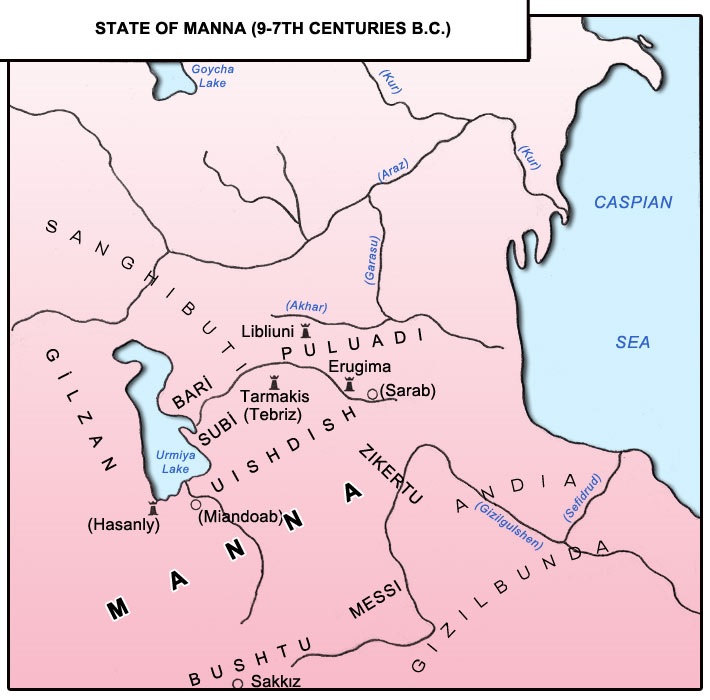 played a very important role in the process of forming a single nation. Because at that time, there was no single religious meeting, monotheistic religion, covering the entire territory of Azerbaijan. Worship of God, the chief deity of the ancient Turks, had not yet completely suppressed other religious beliefs. Zoroastrianism, fire-worship, Sun, Moon, Sky, stars, earth, water, etc. worship was in progress. In the north of the country, in some parts of Albania, mainly in the mountainous western regions, Christianity was spreading. However, the independent Albanian Church operated under fierce competition from neighboring Armenian and Georgian churches.
With the adoption of Islam in the 7th century, a fundamental change took place in the historical destiny of Azerbaijan.
Islam gave a strong impetus to the formation of a single nation and language, which had a decisive impact on the acceleration of this process. The establishment of religious unity between Turkic and non-Turkic ethnic groups has led to the formation of common traditions throughout the territory of Azerbaijan, the expansion of kinship ties, and the further deepening of the process of fusion. Islam united all the Turkic and non-Turkic ethnic groups that adopted it under a single Turkish-Islamic flag against the Byzantine Empire and its Armenian and Georgian feudal lords, who sought to bring the entire South Caucasus under the influence of Christianity.
From the middle of the ninth century, the ancient statehood traditions of Azerbaijan were revived. A new political revival began in Azerbaijan: the Sajids, Shirvanshahs, Salaris, Ravvadis, and Shaddadis were established in the lands of Azerbaijan where Islam was spread.
As a result of the establishment of independent states, there was an awakening in all spheres of political, economic and cultural life. The Renaissance period of Azerbaijan's history was beginning.
The establishment of local states (Sajids, Shirvanshahs, Salarians, Ravvadis, Shaddadis, Sheki rule) after Sassanid and Arab enslavement lasting up to 600 years, the transformation of Islam into the main monotheistic religion throughout the country played an important role in the ethnic evolution of the Azerbaijani people. .
Islam, at the same time, in a historical environment where the various feudal dynasties that rule Azerbaijan are often interchangeable, also played a progressive role in uniting as a united force against foreign invaders.
After the decline of the Arab caliphate, the role of the Turkic-Islamic empires increased in the Caucasus, as well as in the entire Middle East, from the middle of the ninth century. Sajids, Shirvanshahs, Salaris, Ravvadis, Shaddadis, Sheki rulers, Seljuks, Eldenizs, Mongols, Elkhanids-Hulakuls, Shepherds, Jalayirs, Teymurids, Ottomans, Garagoyunlular, Aghgoyunlular, Safavids, only Turks-rulers, Afshars They have left a deep mark on the history of statehood not only in Azerbaijan, but also in the South Caucasus as a whole, but in the entire Middle East.
In the 15th and 18th centuries and beyond, the culture of statehood in Azerbaijan became even richer. During this period, the Garagoyunlu, Aghgoyunlu, Safavi, Afshar and Gajar empires, which covered a large area of the East, were directly ruled by Azerbaijani dynasties.
This important factor has a positive impact on Azerbaijan's domestic and international relations, expands the range of military and political influence of our country and people, the field of activity of the Azerbaijani language, created favorable conditions for further development of material and spiritual culture of the Azerbaijani people. During this period, the Azerbaijani states played an important role in international relations, military and political life of the Middle East, as well as in European-Eastern relations.
During the reign of the great Azerbaijani statesman Uzun Hasan (1468-1478), the Aghgoyunlu empire became a powerful military-political factor in the entire Middle East. The culture of statehood in Azerbaijan has further developed. Uzun Hasan pursued a policy of creating a strong centralized state covering all Azerbaijani lands. He drafted a special "Legislation" for this purpose. The great ruler translated the Holy Quran into Azerbaijani and wrote an Oghuznama called "Kitabi-Diyarbakiriya" to Abu Bakr al-Tehrani, a prominent scientist of the time.
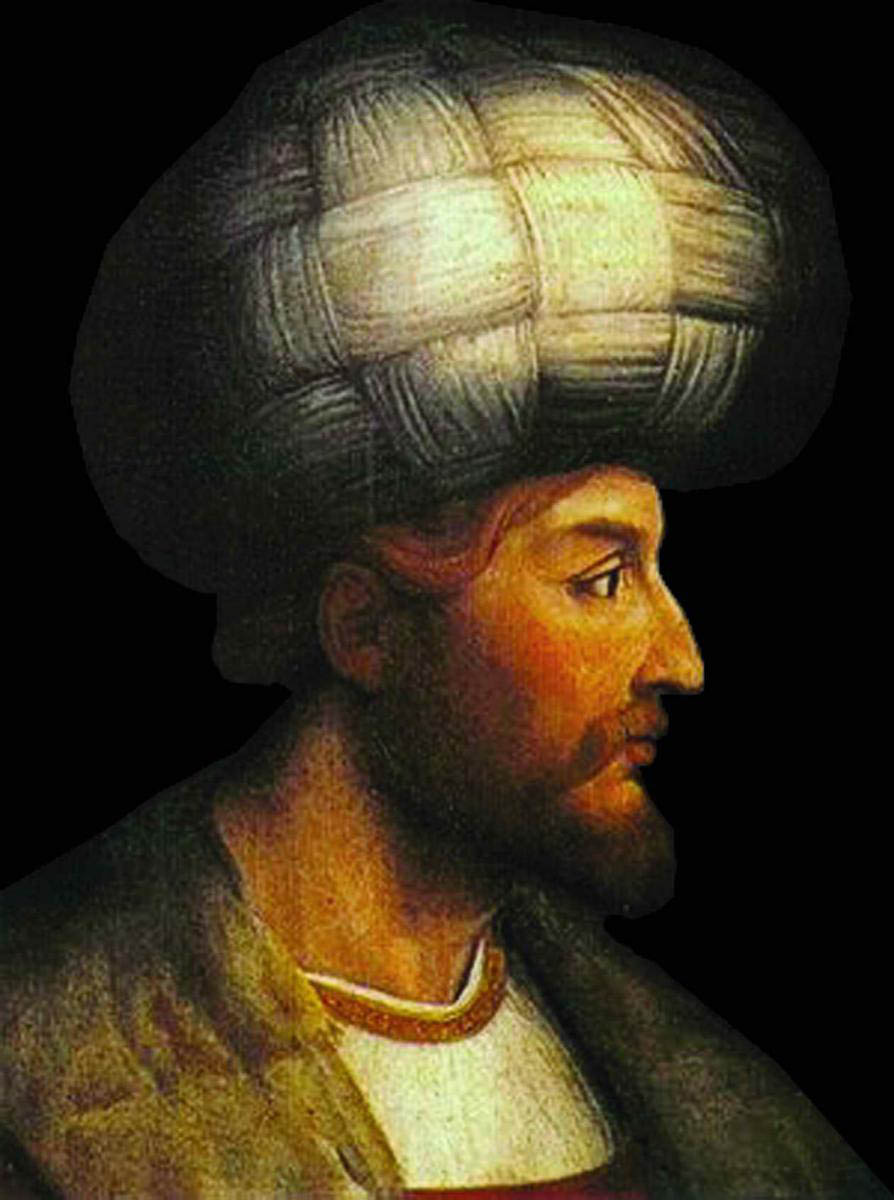 At the end of the 15th and the beginning of the 16th centuries, the Azerbaijani statehood entered a new stage in its historical evolution. Uzun Hasan's grandson Shah Ismail Khatai (1501-1524), a prominent statesman, completed the work started by his grandfather and was able to unite all the lands of north and south of Azerbaijan under his rule.
A single, centralized Azerbaijani state, the Safavid state, with its capital city of Tabriz, emerged.
During the Safavid rule, the culture of public administration in Azerbaijan increased even more. Azerbaijani became the state language.
As a result of successful reforms and domestic and foreign policies implemented by Shah Ismail, Shah Tahmasib, Shah Abbas and other Safavid rulers, the Safavid state became one of the most powerful empires in the Middle East.
Nadir Shah Afshar (1736-1747), a prominent Azerbaijani commander who came to power after the fall of the Safavid state, further expanded the borders of the former Safavid Empire. In 1739, this great ruler from the Afshar-Turkish province of Azerbaijan conquered northern India, including Delhi. However, the plans of the Azerbaijani ruler to create a powerful centralized state in this vast area did not materialize.
After the death of Nadir Shah, the vast empire he ruled collapsed. While Nadir Shah was still alive, local states were established in the lands of Azerbaijan, which fought for freedom and aspired to independence. Thus, in the second half of the 18th century, Azerbaijan was divided into small states, khanates and sultanates.
At the end of the 18th century, the Gajars (1796-1925), an Azerbaijani dynasty, came to power in Iran. During the time of the Gajars, their ancestors began to pursue a policy of re-subordinating all the territories under the rule of the Karakoyunlu, Aghkoyunlu, Safavids, and finally Nadir Shah, including the Azerbaijani khanates, to the central government.
Thus began a period of protracted wars between the Gajars and Russia, which sought to occupy the South Caucasus.
Azerbaijan has become a battleground between two great powers.
According to the Gulustan (1813) and Turkmenchay (1828) treaties, Azerbaijan was divided between two empires: Northern Azerbaijan joined Russia, and South Azerbaijan joined the Gajar-ruled kingdom of Iran.
Thus, in the subsequent history of Azerbaijan, new political-geographical concepts emerged: "Northern Azerbaijan" (or "Russian Azerbaijan") and "Southern Azerbaijan" (or "Iranian Azerbaijan").
In order to establish itself in the South Caucasus, Russia massively relocated the Armenian population from neighboring countries to the occupied Azerbaijani lands, especially to the mountainous regions of Karabakh, the territory of the former Yerevan and Nakhchivan khanates. 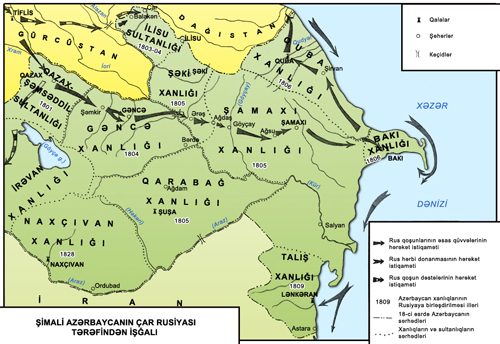 An "Armenian province" was created artificially and for a special purpose in the territories of Western Azerbaijan bordering on Turkey - the territory of the former Yerevan and Nakhchivan khanates. Thus, the foundation of the future Armenian state was laid on the lands of Azerbaijan.
In addition, Russia abolished the independent Albanian Church in 1836 and placed it under the auspices of the Armenian Gregorian Church. Thus, more favorable conditions were created for the Gregorianization and Armenianization of the Christian Albanians, the ancient population of Azerbaijan. The groundwork was laid for new territorial claims of Armenians against Azerbaijanis. Not content with all this, Tsarist Russia pursued a more ugly policy: arming the Armenians against the Turkish-Muslim population and committing massacres against the Azerbaijanis. Thus began the era of genocides against Azerbaijanis and the entire Turkish-Muslim population of the South Caucasus.
The struggle for freedom in northern Azerbaijan has resulted in unprecedented tragedies. The Dashnak-Bolshevik government of S. Shaumyan, who seized power here, committed a terrible genocide against the Azerbaijani people in March 1918. Brother Turkey helped Azerbaijan. The liberation movement won. On May 28, 1918, the first democratic republic in the East, the Azerbaijan Democratic Republic, was established in Northern Azerbaijan.
The Azerbaijan Democratic Republic, the first parliamentary republic in the history of the Azerbaijani people, was also the first example of a democratic, legal and secular state in the whole East, including the Turkic-Islamic world.
During the Azerbaijan Democratic Republic, our parliamentary history is divided into two periods: The first period ̶ lasted from May 27 to November 19, 1918. During these six months, the first Azerbaijani Parliament, acting under the name of the National Council of Azerbaijan and consisting of 44 Muslim-Turkish representatives, made very important historical decisions. Our first Parliament declared the independence of Azerbaijan on May 28, 1918, took over the management of the country and adopted the historic Declaration of Independence.
In the history of parliamentarism of the Azerbaijan Democratic Republic, the Second Period or the Baku Period lasted only 17 months from December 7, 1918 to April 27, 1920.
Special mention should be made of the law adopted by the Parliament on September 1, 1919 on the establishment of Baku State University. The opening of the National University was a very important historical service of the Republicans to the native people. Although the Azerbaijan Democratic Republic later collapsed, Baku State University played an unprecedented role in the survival of the ideas of the Republic and the re-independence of our people.
During the existence of the Azerbaijan Democratic Republic, a total of 155 parliamentary sessions were held, of which 10 were held during the activity of the National Council of Azerbaijan (May 27-November 19, 1918) and 145 during the activity of the Parliament of Azerbaijan (December 7, 1918). April 27, 1920).
More than 270 bills were submitted to the parliament, about 230 of which were adopted. The laws were discussed in a lively and businesslike atmosphere, and were adopted only after the third reading.
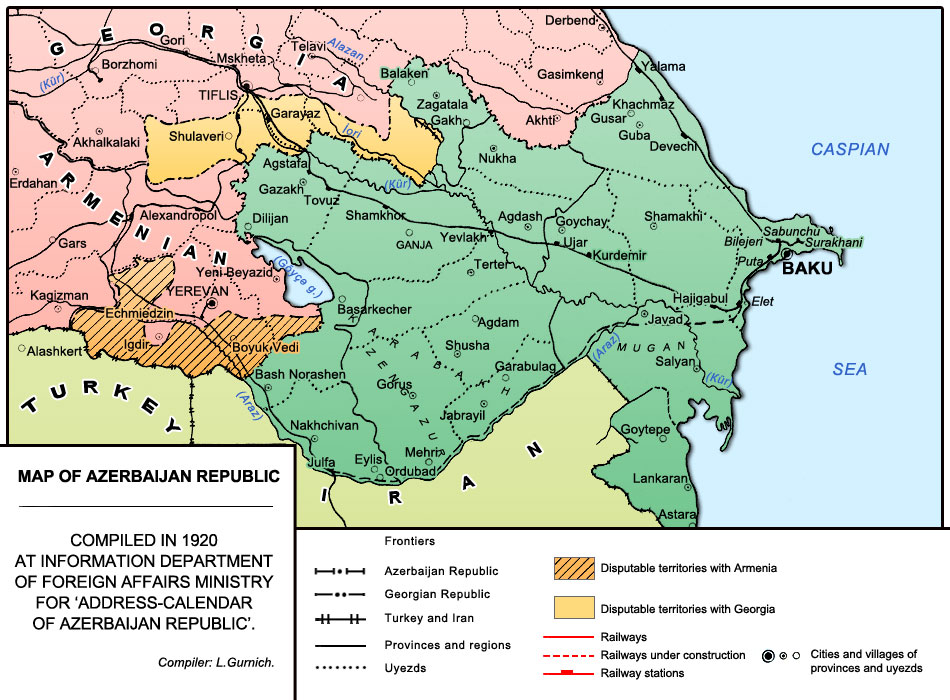 Despite living only 23 months, the Azerbaijan Democratic Republic has proved that even the most brutal colonial and repressive regimes are incapable of destroying the ideals of freedom and the traditions of independent statehood of the Azerbaijani people.
As a result of the military aggression of Soviet Russia, the Azerbaijan Democratic Republic collapsed. Independent Azerbaijani statehood has come to an end in Northern Azerbaijan. On April 28, 1920, the establishment of the Azerbaijan Soviet Socialist Republic (Azerbaijan SSR) was announced in the territory of the Republic.
Immediately after the Soviet occupation, the country began to dismantle the system of independent public administration established during the Azerbaijan Democratic Republic.
"Red terror" was raging all over the country. Anyone who could resist the consolidation of the Bolshevik regime was immediately the victim of "red terror" in the name of "enemy of the people," "counter-revolutionary" or "subversive."
Thus, after the March 1918 genocide, in fact, a new genocide against the Azerbaijani people began. The difference was that this time the elite of the nation - prominent statesmen of the Azerbaijan Democratic Republic, generals, high-ranking officers of the National Army, leading intellectuals, religious figures, party leaders, political figures, famous scientists were destroyed. This time, the Bolshevik-Dashnak group deliberately destroyed only the "cream" of the people, trying to decapitate it. In fact, it was a more brutal genocide than the March 1918 genocide.
On May 6, 1921, with the convening of the first Soviet Congress of the Azerbaijan SSR, the Sovietization of Northern Azerbaijan was completed. On May 19, the first Constitution of the Azerbaijan SSR was adopted.
After the Azerbaijani people were deprived of their independent power, their wealth began to be plundered. Private property on the land was abolished. All the country's natural resources were nationalized, or rather, considered state property. The Azerbaijan Oil Committee was established specifically to manage the oil industry, and the leadership of this committee was entrusted to APSerebrovsky, who was sent to Baku by VI Lenin. Thus, in a telegram sent to the Military Revolutionary Council of the Caucasus Front on March 17, 1920, VI Lenin, who ordered the occupation of Northern Azerbaijan, said, "It is very, very important for us to take Baku." Baku oil passed into the hands of Soviet Russia.
In the 1930s, repression was carried out against the Azerbaijani people as a whole. In 1937 alone, 29,000 people were persecuted. All of them are the most worthy sons of the Motherland. During this period, the people of Azerbaijan lost dozens of their thinkers and rare intellectuals, such as Huseyn Javid, Mikail Mushfig, Ahmad Javad, Salman Mumtaz, Ali Nazmi, Tagi Shahbazi and others. The intellectual potential of the people, its most zealous personalities were destroyed. After this terrible blow, the people of Azerbaijan could not recover for decades.
In 1948-1953, a new stage of mass deportation of Azerbaijanis from their great homeland, Western Azerbaijan (the so-called Armenian SSR) began. Armenians became even stronger in the lands of Western Azerbaijan. Their numerical advantage in this area was ensured.
Despite the significant successes achieved by the creative genius of the Azerbaijani people, for a number of objective and subjective reasons, in the 1960s, negative trends began to manifest themselves in many areas of the Azerbaijani economy, both in industry and agriculture.
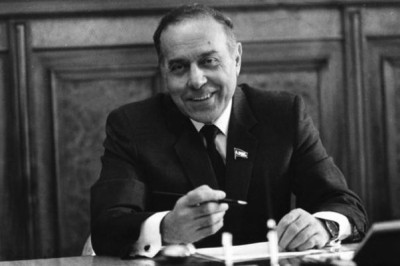
In this difficult situation in which the republic finds itself, a significant change has taken place in the leadership of Azerbaijan. In 1969, the first period of Heydar Aliyev's leadership in Azerbaijan began. Heydar Aliyev, a great fan of his native people, began to implement a comprehensive program of reforms in all spheres of life to make Azerbaijan one of the most advanced republics of the Soviet Union in the complex historical conditions ruled by the totalitarian regime.
The great politician in various fields of economy (including agriculture) and culture iFirst, the Politburo of the Central Committee of the Communist Party of the Soviet Union, the plenums of the Central Committee, the congresses of the Communist Party succeed in making favorable decisions on the most important issues for the development of the Soviet Union, and then mobilizes all our people -was struggling during the day. His plans were to turn Azerbaijan into a self-sufficient, independent and scientifically advanced country (in the terminology of the time, an administrative-economic unit). In short, Heydar Aliyev started the path to independence of our country at that time.
In 1970-1985, in a historically short period of time, hundreds of plants, factories and production facilities were established throughout the country. 213 large industrial enterprises were launched. Azerbaijan occupied one of the leading positions in the Soviet Union in many important areas of production. 350 products produced in Azerbaijan were exported to 65 countries.
The great historical significance of all these great creative works carried out by Heydar Aliyev during his first leadership in Azerbaijan was that national pride, national self-consciousness, feelings of freedom and independence were awakened in our people. This, in fact, meant that in the 70s of the twentieth century, the national liberation movement of the Azerbaijani people entered a new stage - the stage of growth.
The last stage in the history of Azerbaijan's statehood began on the eve of the collapse of the USSR on October 18, 1991 with the adoption of the Constitutional Act "On State Independence of the Republic of Azerbaijan" and continues successfully today.
Throughout history, the Azerbaijani states have gone through periods of ups and downs, internal divisions and foreign occupations. Azerbaijan has always maintained peaceful relations with its neighbors. However, peace-loving neighbors, especially Armenians living in Western Azerbaijan, always kept an eye on Azerbaijani lands and occupied certain territories whenever possible.
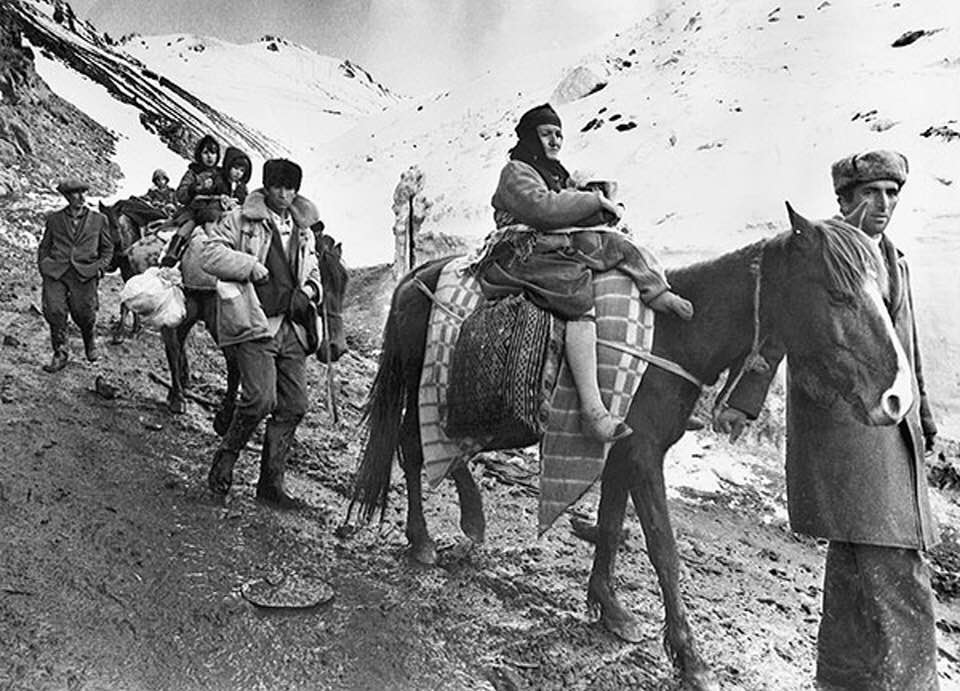 Beginning in 1988, the Armenian armed forces implemented a plan to forcibly evict 126 Azerbaijani settlements in Nagorno-Karabakh, an integral part of Azerbaijan. Shusha region was occupied by Armenian armed forces on May 8, 1992, and Khojavend region on October 2, 1992.
It was during this period, on the night of February 25-26, 1992, that one of the most tragic events of the 20th century took place. .
Thus, starting from 1988, as a result of the military aggression of the Armenian armed forces, 20 percent of Azerbaijani lands - Nagorno-Karabakh, as well as 7 adjacent regions (Lachin - May 18, 1992, Kalbajar - April 2, 1993, Agdam - July 23, 1993, Jabrayil - August 23, 1993, Fizuli - August 23, 1993, Gubadli - August 31, 1993, Zangilan - October 29, 1993) occupied the territory, from Nagorno-Karabakh, surrounding Up to 700,000 Azerbaijanis from the regions, as well as settlements bordering on Armenia or Nagorno-Karabakh, were displaced and temporarily settled in 62 cities and regions of the country, in more than 1,600 densely populated areas.
In March 1992, when the people's movement intensified, A. Mutallibov, the leader of the republic, resigned. The resulting power vacuum further weakened the defense capabilities of the Republic of Azerbaijan. As a result, in May 1992, Armenian and Soviet  troops captured Shusha. Thus, in fact, the Armenians occupied the entire territory of Nagorno-Karabakh. The next step was the occupation of the Lachin region, which connected Nagorno-Karabakh with Armenia. The ongoing power struggles during the rule of the Popular Front of Azerbaijan (May 1992-June 1993) dealt a heavy blow to the defense of the republic. In April 1993, Kalbajar was occupied. A deep political crisis took place in Azerbaijan in June. At the request of the people, Heydar Aliyev came to power.
With the return of Heydar Aliyev to power, a decisive turn took place in the salvation of Azerbaijan. The wise statesman eliminated the threat of civil war after several political moves.
On May 12, 1994, a ceasefire agreement was signed between Azerbaijan and Armenia. However, the Armenian armed forces often violated this regime and opened fire on the civilian population and the Azerbaijani armed forces.
The military conflict between the Azerbaijani and Armenian Armed Forces, which began on the night of April 1-2, 2016, was the largest military confrontation on the line of contact since the agreed ceasefire.
The April battles resulted in the victory of the Azerbaijani Armed Forces, the heights around Talish village of Tartar region and Seysulan village, Lalatapa height of Jabrayil region and Jojug Marjanli, Gulustan village of Goranboy region and Madagiz village of Tartar region were liberated from the enemy.
The violation of the state border in the direction of Tovuz region in July 2020, the settlement of Lebanese Armenians in our occupied territories showed that there is no point in holding peace talks. The sabotage that Armenia wanted to commit in the direction of Goranboy in August, and the establishment of voluntary military units, made a new war absolutely necessary.
 A new history was written for Azerbaijan as a result of the counter-offensive operations of the Azerbaijani army, which began on September 27, 2020 with the provocations of the Armenian armed forces against Azerbaijan.
Following another provocation on the line of contact by the Armenian Armed Forces, in accordance with the warning issued by President Ilham Aliyev, Azerbaijan began to punish the enemy militarily. During the ongoing rapid counter-offensive, a number of strategic heights, Sugovushan settlement and Talysh village of Tartar, Jabrayil region, Hadrut settlement, Fuzuli region, Zangilan region, Gubadli region, and finally Shusha city were liberated from occupation.
The 44-day war resulted in the complete victory of Azerbaijan and the capitulation of Armenia. During this period, about 300 villages, 5 cities, 4 settlements, numerous strategic heights were liberated. The enemy's equipment was completely destroyed, and its manpower was severely damaged. The Patriotic War, which lasted only 44 days, led not only to the liberation of our territories, but also to the end of the occupation, as well as the settlement of the conflict, which lasted for almost 30 years.


কোন মন্তব্য নেই:
একটি মন্তব্য পোস্ট করুন