KARABAKH: BARDA - AGDAM - SHUSHA - KALBAJAR
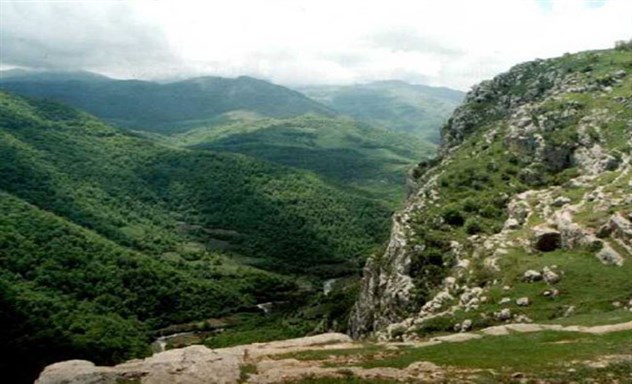 Nagorno-Karabakh is one of the most beautiful regions of Azerbaijan. Ancient Karabakh is the heart of Azerbaijan, it has brought up very talented people for our country. Karabakh , with its picturesque nature and the richest spiritual and cultural traditions, is the birthplace of many prominent Azerbaijani scientists, poets, writers, artists, musicians and singers. Karabakh is the cradle of Azerbaijani music. Hundreds of musical works, one of the oldest and rarest examples of Azerbaijani folklore, were created in Karabakh and in connection with Karabakh.
Karabakh is one of the oldest historical regions of Azerbaijan. The name of Karabakh, which is an integral part of Azerbaijan, is derived from the words "black" and "garden". The terms "black" and "garden" have the same ancient history as the history of the Azerbaijani people. In the first sources, the word "Karabakh" is mentioned 1300 years ago, in the VII century.
These areas are one of the oldest human settlements. In 1968, the remains of an ancient man were found in the Azykh cave in Karabakh. Probably, people lived in this area 250-300 thousand years ago. The rich nature and natural resources of these ancient lands have always been in the center of attention. Armenians, our ungrateful neighbors looking at these rich lands, started an open and biased war against Azerbaijan in late 1991. Armenian military units violated the borders of our state and occupied part of our lands.
ANCIENT KARABAKH, the heart of Azerbaijan, has given this country many talented children. When we say Karabakh, we mean not only a region with a unique nature, landscapes included in the list of natural monuments of the country, but also talented poets, writers, musicians, singers (mugam singers, a branch of national music). Karabakh is the cradle of Azerbaijani music. The nature and natural resources of this ancient land do not leave anyone indifferent. Maybe because this beautiful land is now under occupation…
BARDA
 Barda region is located in the center of the Karabakh plain in the north-eastern part of the Kur-Araz lowland, on the banks of the Tartar River. The Khachin River also passes through this region. The Kura River flows along the border of the region. The Upper Karabakh canal was built here. There are two beautiful lakes along the Barda-Tartar road, and another lake (Lake Agali) near Barda.
The area of forests in the region is 6856 sq.m. m-dir. Many rare species of trees grow here, as well as oak, hornbeam, elm, walnut and plane trees. The local fauna is represented by wolves, foxes, jackals, wild boars, rabbits, pheasants, geese, turtles and other species of animals and birds. Here it is possible to engage in animal and fishing.
The natural conditions of the region allow to grow melons, grain and cotton.
Before the collapse of the Soviet Union, Barda was one of the all-Union health centers. It was a very popular resort in this country due to the abundance of medicinal mineral springs. The most famous of the mineral springs is the spring near the villages of Istisu and Muganli, located 3 km from the city of Barda.
The administrative center of the region, Barda, is located 314 km from Baku. Barda, located in the west of Azerbaijan, is called "MOTHER OF ARRAN CITIES" in Arabic written sources (IBN HOVGAL). In the past, this city was one of the main points on the Great Silk Road. The peoples living in the surrounding regions knew about Barda 2000 years ago. There is even a legend that the founder of Barda was Alexander the Great. Ancient authors such as Balazuni and Qazvini referred to this legend in their works. From the 6th century AD, Barda was the capital of Caucasian Albania.
During archeological expeditions, the ruins of an ancient city were discovered near modern Barda. Very rich material was found here, which confirms the high level of development of urban culture, trade and crafts. They allow us to say that in ancient Barda there was a high level of folk arts such as jewelry, blacksmithing, pottery, silk, woodworking and carpet weaving.
The city had a well-developed infrastructure. Thus, archaeologists did not find the remains of groundwater communications and sewage. Ceramic pipes were used in their construction. Construction 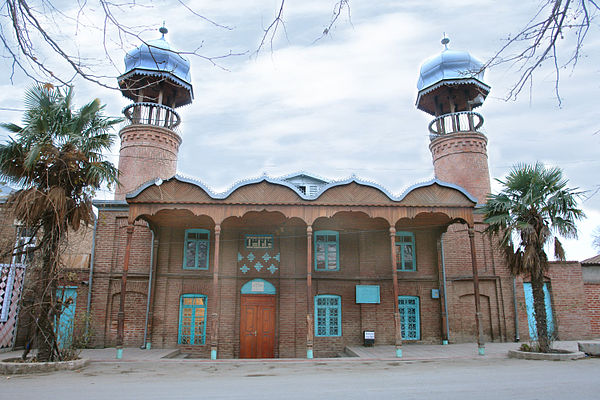 work of the red brick was used. I have paved the squares of the ancient city. Coins were minted here. The findings show that the city of Barda was in close contact with the surrounding cities of Azerbaijan and the entire Middle East. Cover a large period from the second millennium BC to the Middle Ages.
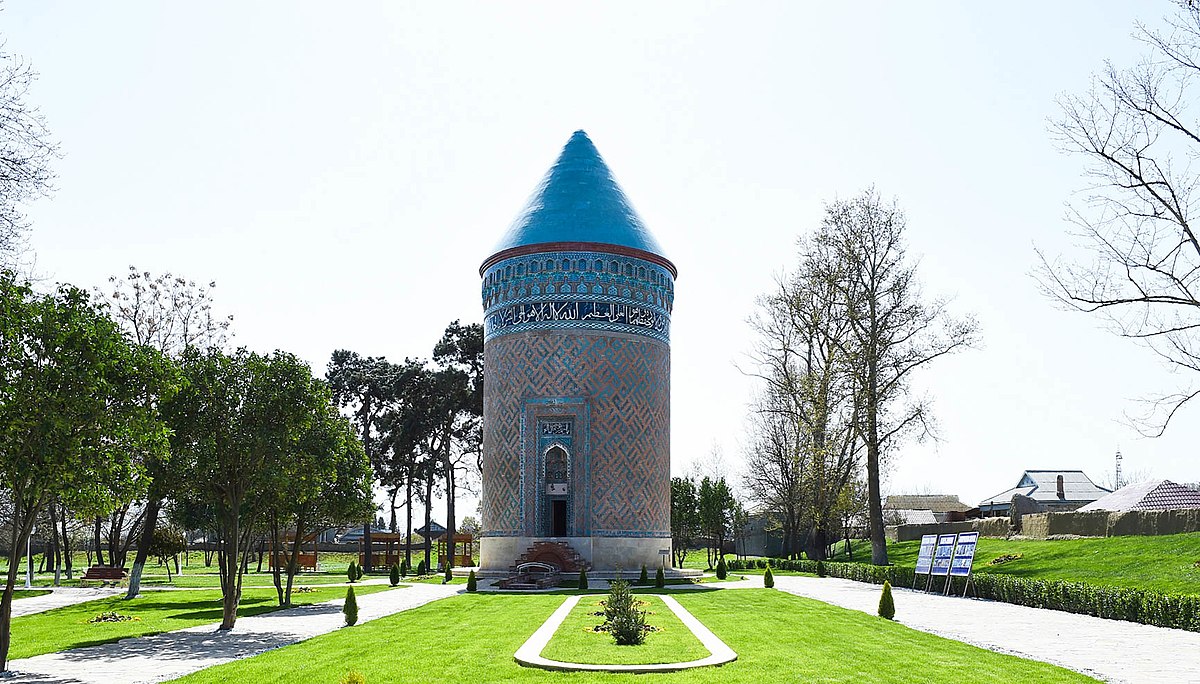
A number of architectural monuments have survived to the present day. The famous bridge over the Tartar River (VII-XI centuries), "Akhsadan Baba", "Guloghlular" mausoleums (famous scientist Bahman Mirza Gajar was buried in "Guloghlular" mausoleum) were built by Eyyub Al Hafiz's son, master Ahmad. According to scholars, Sheikh Ibrahim was buried in the mausoleum called "Imamzade". A square castle made of raw bricks has also survived.
Earlier, Barda consisted of two parts that were clearly separated from each other. Rabat, which consists of a central part called Shahristan and a neighborhood inhabited by artisans and merchants. Blacksmiths (now the village of Black Blacksmiths was built in that area), weavers, potters, builders, wood and stone carvers, tanners lived in the neighborhoods. Craftsmen made beautiful fabrics, weapons, ceramics and glassware, and jewelry from common and precious metals. Pile and non-pile carpets belonging to the famous Karabakh group created by Azerbaijani artists were mainly woven in Barda. This was a real city of craftsmen. The great Azerbaijani poet Nizami Ganjavi described the beauties of Barda in his poem "Isgendername".
You can stay in "Gunesh Motel", "Barda Hotel" and "Prince Motel" hotels in Barda.
AGDAM
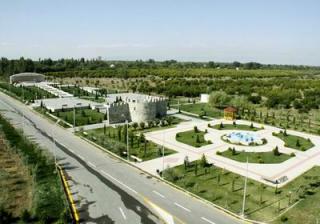 There are many ancient architectural monuments in the territory of Aghdam region. Caravanserai in Shahbulag village (XVIII century), Khanoglan mausoleum (XVII century), mosque (XVII century), Panahali khan's palace and mausoleum, "Gutlu Musa oglu" mausoleum in Khachinturbatli village (XIV century), two mausoleums in Papravand village and one mosque, Boz Dag The temple of the cave in the northern foothills, the temples of the Christian period of Caucasian Germany are of this type.
Aghdam, the administrative center of the Aghdam region, is located 362 km from Baku. Aghdam was also one of the largest cities in the Karabakh plain. Turkish tribes often built small fortresses on the plains to protect themselves from enemies. The word "Aghdam" in the ancient Turkic language meant "small fortress".
Later, the word "Aghdam" acquired its modern meaning - "bright, white building". This name is due to the fact that in the XVIII century, the Karabakh khan Panahali built a house of white stone. This house was a whole complex of harmonious buildings - a building made of white stone.
There is an unusual museum in Aghdam - the Bread Museum. There are unique exhibits - archeological finds related to bread and grain. Among the exhibits are stone-turned grains, hand mills, utensils, ancient books, manuscripts, various materials about the development of grain growing, agricultural tools (sickles, bricks, threshing wheels, etc.).
Before the occupation of the Armenian armed forces in 1993, there were many architectural monuments in the Aghdam region. Among them - Khanoglan mausoleum (XVII century), 17th century mosque, Panahali khan tomb and palace, "Kutlu-Musa oglu" tomb in Khachinturbatli village (XIV century), tomb in Kangarli village (XIV century), two mausoleums and mosque in Papavand village, Shahbulag One of the monuments of the past is a 300-meter-high cave in Bozdag, one of the main examples of Christian temple architecture in 13th-century Caucasian Albania. many valuable books, manuscripts, plowing tools, old agricultural tools were looted by the invaders,
Numerous historical monuments were destroyed as a result of the Armenian military aggression. In the Aghdam region, 89 villages were completely destroyed and brutally destroyed in the history of mankind.
SHUŞA
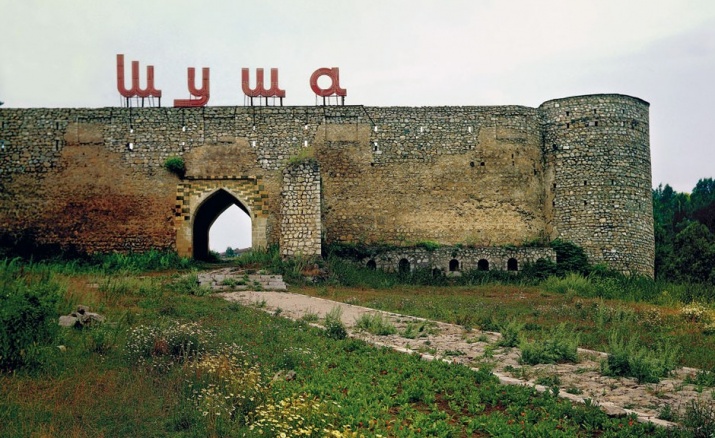 This name of the city of Shusha, located 373 km from Baku, is due to the clean and fresh air of these places. The word "glass" is associated with the word "glass" (usually Azerbaijanis compare fresh air with clear glass). Shusha, one of the most beautiful cities of our country, is also famous for its ISA SPRING, SOUR WATER, SAKINA SPRING, COLD SPRING, HUNDRED SPRINGS, FORTY SPRINGS, CHARIG SPRING and other unique springs.
The establishment of the city of Shusha and its subsequent development is connected with the increase of the power of the Karabakh khanate. Surrounding Shusha on both sides, the once magnificent fortress walls are still intact. The founder of this city was the ruler of Karabakh Panahali khan. Panahali khan built a fortress here and named it Panahabad (1756-1757). Later, a small village called Shusha was named after this city. Panahali khan also built Bayat and Shahbulag fortresses in this region and strengthened Askeran fortress.
In the 18th century, Shusha became one of the most important cities in Azerbaijan. A large and strong barrier was erected around it, and numerous artisan quarters were established. Shusha merchants maintain trade relations with Iranian cities and Moscow, where a silver coin called Panahabadi was minted.
Situated in the heart of the high mountains, this beautiful city fascinated travelers. Russian artist V.Vereshshagin wrote about Shusha: "His houses are well-shaped and tall, light shines on the houses through numerous elegant windows. The city is located on rocks and built of stones made of the same rocks. All streets are paved with broad slabs, roofs are made of beams."
There are covered galleries with stone columns in the neighborhoods of Shusha. The market squares were quite large. In the main square of the city there are rows of trade kiosks, a two-storey caravanserai and a Friday mosque with a double minaret.
The Cidir plain, located near the deep Dashalti gorge on the outskirts of the city, is especially famous. Just below the racecourse, a steep road called the Forty Steps leads to the Dashalti River. The mysterious "Treasure Castle" cave was also located there. All the guests who came to Shusha were here.
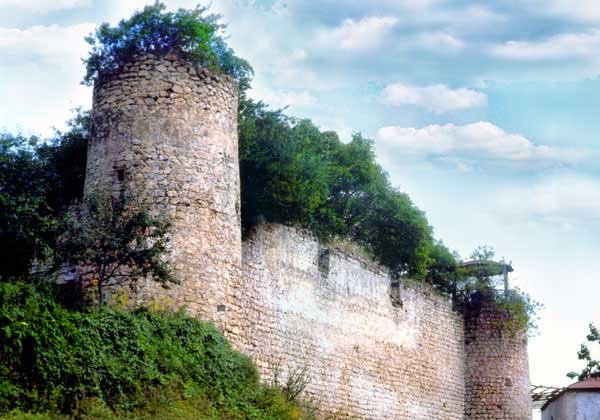 It is not enough to list all the ancient architectural and artistic monuments that made Shusha famous. There are only 170 officially registered architectural monuments and 160 art monuments. Poet Khurshudbanu Natava, artillery general, Mehmandarov, who took part in the heroic defense of Port Arthur fortress, genius composer Uzeyir Hajibeyov, prominent singer Bulbul, poet and artist Mir Mohsun Navvab, house-museums, Ibrahim khan and his daughter Gara Boyukhanim "Ganja" , castle wall, etc.
Shusha "East Conservatory call" - this city has a number of well-known singers, musicians, composers and conductors Dzhabbar Garyagdi Oglu, a hometown, Bulbul, Seyid Shushinski, Khan, Rashid Behbudov, Uzeyir Hajibeyov, Niyazi, Fikret Amirov, Suleyman Aleskerov originally glassy.
Well-known writers SULYEMAN SANI AKHUNDOV, ABDURAHIMBAY HAGVERDIYEV, NAJAF BEY VAZIROV, poet KHURSHUDBANU NATAVAN, poet GASIM BEY ZAKIR, artist TOGRULAR NARYANGAYDARI BAYARGAYAR
The name of the city of Khankendi, located not far from Shusha, can be found for the first time in written sources of the IX century. This city, founded by the Turkic tribes, was originally called Varanda. At the end of the 18th century, Mehdigulu khan, the son of Panahali khan, built a large settlement there and named it Khankendi and presented it to his wife Parijan bey.
On May 8, 1992, Shusha, the cradle of Azerbaijani music, the heart of Karabakh, was occupied by Armenia. Hundreds of historical monuments in the city have been destroyed. Valuable works of Shusha museums, including paintings and sculptures, carpets, very important documents, personal belongings of prominent Azerbaijanis and other valuable materials were looted and taken to Armenia. Now these items are sold as examples of Armenian culture in foreign museums, displayed in museums and various exhibitions. The house of the prominent Azerbaijani poet of the 19th century Khurshudbanu Natava was set on fire, and the Govhar Agha Mosque, a pearl of oriental architecture and a symbol of Shushi, was destroyed. The house-museums of great Azerbaijani musicians were destroyed. The true historical and cultural appearance of Shusha was in danger of being erased from history. Hundreds of historical monuments of the city were insulted. The enemy did not hesitate to insult the monuments of such luminaries of Azerbaijani music and literature as Uzeyir Hajibeyli, Bulbul and Natavan, their monuments were covered with bullet marks. Shusha is the only productive corner of Azerbaijan that cultivates so many historical and cultural figures. It is really the glory of Azerbaijan.
KALBAJAR
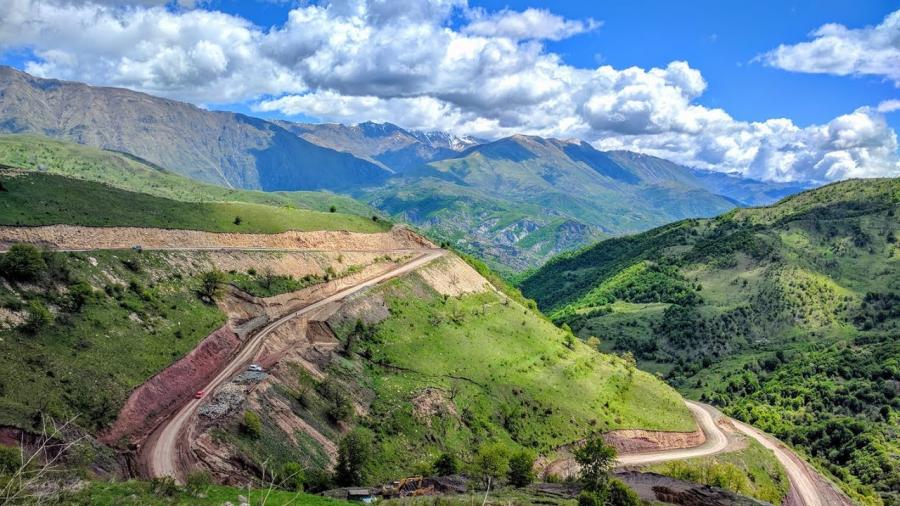 Kalbajar region is located in the foothills of the Lesser Caucasus Mountains. The name of the city of Kalbajar, the administrative center of the region, means "high pass", "high territory". The distance of Kalbajar from Baku is 445 km. It was established in 1930. Mountainous areas - Murovdag, Shahdag, East Goycha, Mikhtoken, part of the Karabakh mountain range and the Karabakh plateau. The highest peaks are Camish Mountains (3724m) and Dalidag (3616m). Volcanic-sedimentary and volcanic rocks are widespread in the area. Mineral, mercury, gold, polymetal, mineral waters, construction materials, etc. A number of historical and architectural monuments, including Albanian temples (XIII, XVIII centuries) were located in the region.
The country is famous for its mineral and thermal waters. The resort, built around the most famous mineral spring, Istisu, is also called Istisu. The springs located on the banks of the Tartar River, at an altitude of 2000-2400 m above sea level (there are 31 springs here), do not lag behind Istisu in their healing properties. The chemical composition of these mineral waters is almost the same as the composition of the world-famous KARLOVI VARI (Czech Republic), and in some respects even higher.
On April 2, 1993, Kalbajar was occupied by Armenian military units. Armenian vandals destroyed the following cultural and historical monuments - Vang (Hasan Jamal Church), Cherekdar, Lek Temple in Ganlikand, Ulukhan Temple in Garajanli, Albanian Temple at the confluence of Tartar and Bulanig rivers, castles in Galaboynu village, Generous Fortress in Jamishli village, mosques in Kalbajar, Bashkir, Kalbajar A mosque on the Taglitash bridge over the Tartar River in the village of Soyugbulag, a Kalbajar history museum, a culture house named after Ashig Shamshir, a Seyid Asadulla hearth on the Seyidli plateau, etc.
It should be noted that the natural landscape, historical and architectural monuments, transit and communication network of Nagorno-Karabakh and surrounding regions occupied by Armenia were destroyed by Armenians, in short, the tourism infrastructure of the region was completely destroyed.


কোন মন্তব্য নেই:
একটি মন্তব্য পোস্ট করুন