NORTH-WEST ROUTE
BAKU - GOBUSTAN - SHAMAKHI -
ISMAYILLI - GABALA - OGUZ - SHAKI -
GAKH - ZAGATALA - BALAKAN
GOBUSTAN DISTRICT is one of the administrative districts of the historical region of our country called Shirvan. In the 8th-16th centuries, one of the most important state institutions of Azerbaijan - the state of Shirvanshahs, located in the capital city of Shamakhi, existed in the territory of Shirvan. It was the longest-running state in medieval Eastern history.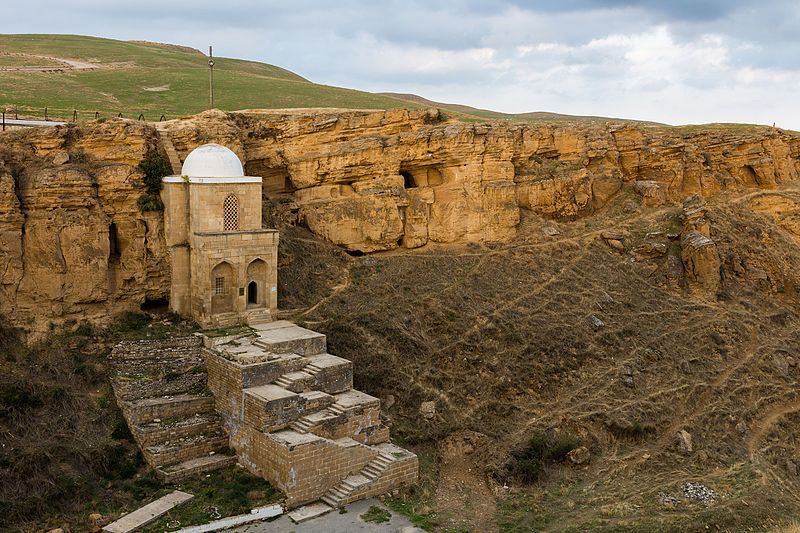
Today's Gobustan region is located east of Shamakhi, 101 km from Baku. The relief of the area - ravines, ravines, rocks, toponymically reflected here. The spring in these places is very beautiful, tulips, chamomile, buttercups bloom.
The climate of the region is mainly semi-desert. The most interesting and attractive object for tourists here are the cave labyrinths (spheres) located in the valley near the city, in the village of Soyunlu. Here it is possible to observe a very original natural phenomenon called "CRYING ROCK" among the people. According to legend, the "tears" flowing from this rock are the tears of the mother of the soldiers who died. Caves are a system of natural galleries that were artificially expanded and adapted for living during medieval tribal wars and invasions by foreign invaders in Azerbaijan.
GOBUSTAN CITY, the administrative center of Gobustan region, is located near the main highway of the region, on the Maraza plateau. According to a legend, the name of this city ("maraz") was so named after the incident, because the beloved wife of one of the influential people settled here and recovered. No one knows if this legend is true, but there is a MINERAL WATER SPRING near Maraza. Although its water is salty and bitter, it cures certain gastrointestinal diseases.
The famous SHIKH DUZU mounds, bea. Remains of ancient human settlements of the 1st-8th centuries, located on the ancient trade routes of the present-day DAG KOLANI village, the tomb of DIRI BABA around the city (15th century); The remains of the Shah ABBAS Caravanserai, located in the very center of the city, show that these places were inhabited in ancient times.
They have been weaving carpets here since ancient times. The patterns of local carpets "MARAZE", "CHUKHANLI", "CHEMCEMLI" are famous all over the world. "NABUR" carpets are still woven by hand in the village of the same name.
Here you can stay at the Gobuland Hotel.
SHAMAXI
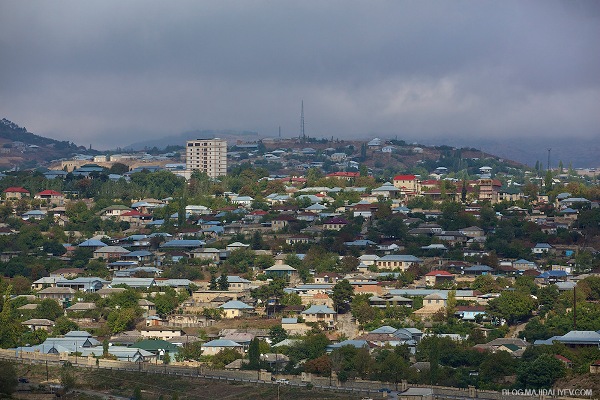 SHAMAKHI DISTRICT is a historical region of Azerbaijan, the center of ancient Shirvan, where the former state of Shirvanshahs is located. It is located on the south-eastern slopes of the Greater Caucasus. The climate of the main part of the region is moderately hot, dry in summer. The landscape is changeable. Here the steppes are replaced by foothills and meadows, and then forests. The higher the sea level, the cooler the autumn, and the more snow in the winter. However, in general, the climate of the region is temperate, the soil is fertile, rich in flora and fauna. Roe deer, wild boar, wild cat, fox, wolf, bear and many other birds live here. Forests with broad-leaved trees such as hornbeam, beech, and oak, and blue meadows covered with crimson tulips in spring look like eyes. More than 50 species of medicinal plants grow in the region.
Shamakhi region is the largest viticulture center in Azerbaijan. Shamakhi wines are not only popular in the local market, but have long been awarded medals and diplomas at international exhibitions.
This region is a popular holiday destination for residents of the Azerbaijani capital and fans of sports tourism. Those who like to go on foot, go on an excursion to Guba and Ismayilli. Ecological tourists and ordinary travel enthusiasts try to go to the WAR FOREST. Wild apple, pear and cherry trees grow here, and at the edge of the forest, near the ravine, there are springs of sulfur water. Famous "SHIRVAN", "SHAMAKHI", "ISRAFIL" and "ARJIMAN" carpets are woven in mountain villages.
There are many places to see in Shamakhi region. Molokans, originally from Russia, live in the settlement of Chukhuryurd on the right bank of the Pirsaatchay River. Their delicious sunflower oil, pickled vegetables, mountain honey, vegetables and fruits are very popular. There are many drinking water springs in the area called KIRKHBULAG. Near the village of MALHAM there is a famous cave, famous for its healing properties. Afzaladdin Khagani, a well-known poet in the East, was born in this village in the 12th century. In general, this land is famous for its poets, philosophers and architects. SEYID AZIM SHIRVANI, IMADADDIN NASIMI, MIRZA ALAKBAR SABIR, HAJI ZEYNALABDIN SHIRVANI, MUHAMMAD SHIRVANI, AZIM AZIMZADE, ABBAS SHAHIDI The word is often repeated in connection with an ancient tradition in the East. Usually, when a person becomes famous, the name of the place where he was born is reflected in the surname he adopted).
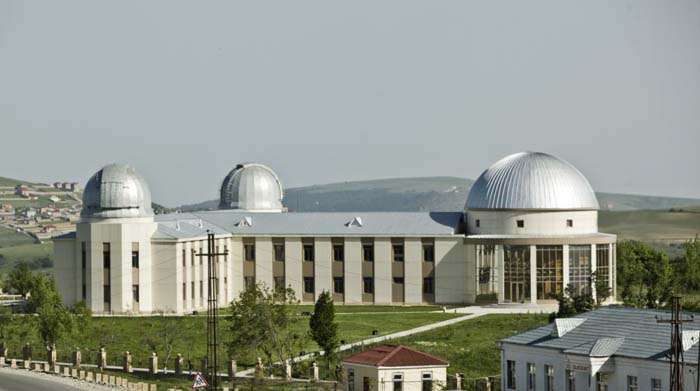 Shamakhi Astrophysics Observatory named after Nasreddin Tusi, located near PIRGULU settlement, is 1400 meters above sea level. One of the largest telescopes in the former USSR was installed here. One of the first presidents of the Azerbaijan National Academy of Sciences, academician Yusif Mammadaliyev, who founded petrochemistry in Azerbaijan, once did a lot to establish this observatory. At the initiative of scientists currently working in the SAR, a statue of Y. Mammadaliyev was erected here as a sign of gratitude. Baku schoolchildren are always looking forward to going on an excursion to the Tusi Balloon to see the big telescope there. Residents of Baku, which usually do not snow in winter, are more eager to come here: after all, in Pirgulu the snow stays on the ground for a long time, so you can play snowballs when you come here. In summer, the locals take them on horseback at the request of the guests.
Historical monuments of the region: JUMA MOSQUE (VIII-X centuries); PIRMARDEKAN tomb (XIII-XIV centuries); SHAHKHANDAN tomb (XVII century); SEVEN DOMES COMPLEX consisting of 7 tombs (XVIII century); Remains of the legendary fortress-BUGURT fortress (XII-XVI centuries); Located near the mountain village of the same name, this fortress clings to a rock. In the GULUSTAN fortress (VIII-XV centuries) Shirvanshah Shahrukh bravely repulsed the attack of the Iranian troops. Inside the fortress, Shirvanshah's palace and a unique water supply system have survived. The secret water pipeline here supplied water to the fortifications. Stone ponds and water towers designed to store water have also survived. Pirgulu reserve located in the territory of the region was established in 1968. Consisting of three parts, the total area of this reserve is 1521 hectares, 1362 hectares of which are forests located at an altitude of 800-2000 meters above sea level. The flora of the reserve includes 45 species of rare and endemic plants, many of which are listed in the Red Book.
The administrative center of the district is SHAMAKHI CITY. The distance from Baku is 120 km.
 In ancient times, the present-day city of Shamakhi, called "Sharvan", "Ashshamah", "Shirvan", "Shah-max", was the capital of the Shirvan-Shirvanshah state. The Shirvanshah state was one of the few small states formed after the weakening of the Abbasid dynasty in the 8th century. This city has a glorious but tragic fate - it has been destroyed many times. These destructions were associated not only with the invasions of the occupiers, but also with earthquakes, as this is a highly seismic area. In 1191, when the Golden Lion of the Atabey ELDEGAZLER dynasty captured and destroyed this city, Shirvanshah I Akhsitan temporarily moved his capital to Baku. In 1501, Shah Ismail Safavid captured both Shamakhi and Baku. After 37 years, the existence of the Shirvanshah state ended and Tahmasib Safavid created the Safavid state. In the following periods, Shamakhi was repeatedly destroyed in the wars between the Safavids and the Ottoman Turks. At that time, along with the death of people, architectural monuments and books were destroyed ...
However, the people of Shamakhi always found strength in themselves, rebuilt the city and put their lives in order. Alexander Duma, who once traveled to Azerbaijan, wrote about Shamakhi that the residents of this city never know whether they will survive tomorrow. Today, many ancient monuments remain around Shamakhi.
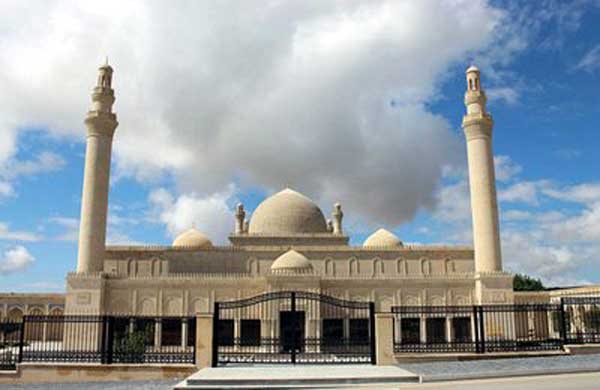
The Juma Mosque, the oldest mosque not only in Azerbaijan, but in the entire South Caucasus, is located in Shamakhi. It was built in 743. In 2013, the Juma Mosque was overhauled. In addition, old cells around the mosque were restored. During the archeological excavations, madrasas, cells and tombstones were found in the courtyard of the mosque.
In Shamakhi you can stay in such beautiful hotels as "Shirvan Hotel & SPA", "Sakit Gol - Silent Lake Hotel", "Samaxi Palace Platinum".
İSMAYILLI
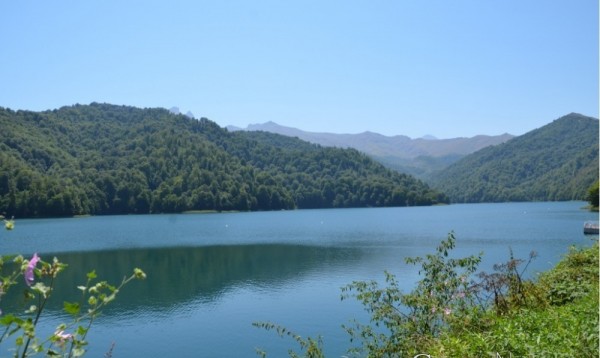 Three of the eight climate zones in Azerbaijan are found in the Ismayilli region. The winter here is dry and temperate, the weather is warm in the plains, the rainfall is regular, and the winter in the mountains is cold and humid. The main relief of the region consists of mountains. It has a very beautiful nature. Forested mountains, rocks, rivers (GIRDMAN, AX-OX, GOYCHAY), waterfalls (QALACIG - height 50 meters, CHAYGOVUSHAN - height 30 meters, ISTISU - height 25 meters, MADRASA - height 25 meters). On the slopes of Babadag, 3 natural lakes at an altitude of 3,500 meters above sea level, three artificial lakes built near the villages of KURDMASHI and ASHIGBAYRAMLI are not only very picturesque, but also suitable for fishing.
"ISMAYILLI" reserve located in the territory of the region was established in 1981. This reserve with an area of 5778 hectares consists of two parts - Topchu and Galajik. Their distance from each other is 1 km. The forests of the reserve cover 5021 hectares, subalpine meadows 227 hectares. There are more than 40 species of wood and shrubs, 170 species of vertebrates - deer, mountain goats, wild boars, bears, wolves, foxes, rabbits, etc.
The name of this region is in the history of Russian literature: MY Lermontov wrote his poem "Ashig Garib" based on the saga he heard from Ashug Garib (folk singer) Oruj and ashug Lezgi Ahmad when he was in Tirjan village of Ismayilli.
Since ancient times, along with Azerbaijanis, representatives of other nations and ethnic groups - Lezgians, Jews, Russians (Molokans living in the village of Ivanovka), Lahijs (Iranian-speaking tribe), Hapits (heirs of the ancient Albanians) have settled in this region since ancient times.
The traditions of ancient folk arts and applied arts have been preserved in Ismayilli region. There is carpet weaving (QALACIG and TAZAKEND villages), copper-plated pottery and weapons, tanning, blacksmithing, wood and metal carving (these professions are more common in LAHIC village, many shops and workshops on the central street of this village), women in BASQAL village National headgear called "KALAGAYI" is made for The patterns of the kalagai made of silk fabric are engraved by printing.
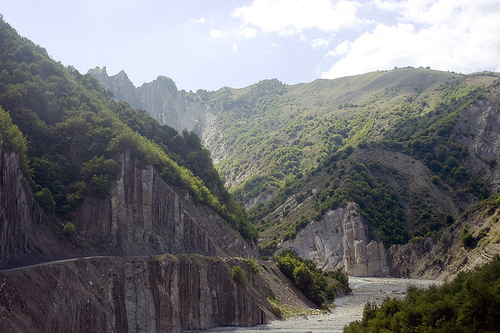 It should be noted that the Azerbaijani kalagai is included in the list of examples of intangible cultural heritage of UNESCO under the title "Traditional art of making and wearing a headscarf and its symbolism". Copper production in Lahij is also included in the UNESCO list of intangible cultural heritage of Azerbaijan.
Historical and cultural reserves have been established in LAHIC and BASQAL villages. Most of the monuments here are protected by the state. BADOY ZEVERO Mosque (1791), AGALI Mosque, ZEVERO spring, MOSQUE and BATHROOM (XVIII century).
Other monuments: GIZ TALAS in KHANEGAH village (XVII century), FITDAG Tower in SULUT village (XVIII century) and a number of other archeological objects. Interestingly, the locals connect the Fitdag tower with a legend about Alexander the Great. It is said that Alexander the Great himself encamped here, and his preachers climbed to the top of the mountain and from there delivered the message with golden trumpets. That is why this tower is called Fitdag Tower.
Javanshir, one of the rulers of Caucasian Albania (7th century), according to legend, lived in a fortress on the top of another mountain on the left bank of the river GIRDIMAN near the village of TALISTAN. In the village of Sulut, the fortress of Qirxotaq, the Haram tower, the KHIRAKI defense wall and the JUMA MOSQUE also survived.
The administrative center of Ismayilli region is ISMAILLI CITY. The distance from Baku is 185 km. Ismayilli is also one of the wine centers of Azerbaijan, and one of the directions of tourism - all the opportunities for wine are created here. As the Ismayilli steppes are unusually rich, hunting tourism is also developing in the region.
There are many hotels and recreation centers in Ismayilli. GAYA RESORT CENTER, GIRL'S TOWER, GREEN HOUSE, JULYAN RESORT CENTER, KALAMARJ, HASANOGULLAR RESORT CENTER, MAKSUL, RIZVAN RESORT CENTER, KORKUT MONT.
GABALA
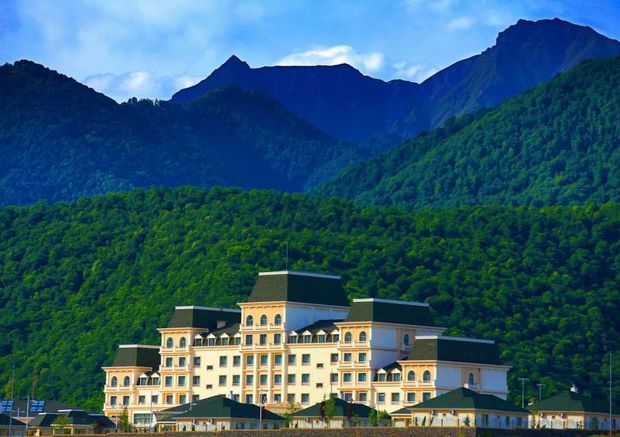 GABALA DISTRICT is located in the north-western part of Azerbaijan, in the Sheki-Zagatala zone, on the border of Dagestan and Georgia. This region has a very ancient history. People lived here in the Neolithic period. For a while, Gabala was the center of the Caucasian ALBANIA, and then it became part of the Shirvanshahs state and the Sheki khanate. DEMIRAPARAN RIVER, VANDAM RIVER, BUM RIVER, TIKANLI RIVER and other rivers flow through the region.
Gabala region is famous for its hazelnut and chestnut orchards. On the slopes of the mountains, at an altitude of 1000 m above sea level, there is a famous chestnut forest. The blossoming of chestnut trees in the spring creates a wonderful landscape. The trees in this forest are very old. The average age of each of them is more than 500 years. Some of these trees are included in the list of natural monuments protected by the state. Here you can hunt gazelles, roe deer, bears, wolves, rabbits and other animals representing the local fauna. One of the climbing routes leading to the highest peak of the republic, BAZARDUZU mountain (4466 m above sea level) passes through this region.
There are many historical, cultural and architectural monuments in the region. Mosque in Bum village (XIX century), Albanian temple in AMILI village (IV century), USTACAN tower in BAYRAMKOXA village (IX century), HAJI GARIB mosque in NIC village and CHOTARI ALBANIAN CHURCH, SHEIKH BADRADDIN AND SHEYDI MASTER IN SHEZR, The mausoleum in the village (XVII century), as well as the shikhbaba piri in the village of HAMZALLI (XVI century) and the KOMRAD piri on the top of KOMRAD mountain (the place where people who were considered holy and righteous in their lifetime were buried).
Archaeologists have discovered the remains of an ancient human settlement on Mount Yalovlu near the village of Nic. The archeological culture samples found here are typical for the northern regions of Azerbaijan and are known in science as "Yalovlu hill culture". Weapons made of iron and bronze, gold items, millstones and other specimens were found here. Among the types of folk art, woodworking (VANDAM village), pottery (GAMARVAN village), carpet weaving (LAZA and BUM villages) are widely developed. The ZOP-ZOPA folk ensemble established in Bum village has successfully performed at various festivals abroad. The Udins live compactly in the village of Nic in the Gabala region. Considered the predecessors of the ancient Albanians, this ethnic group has adopted the traditions, language,
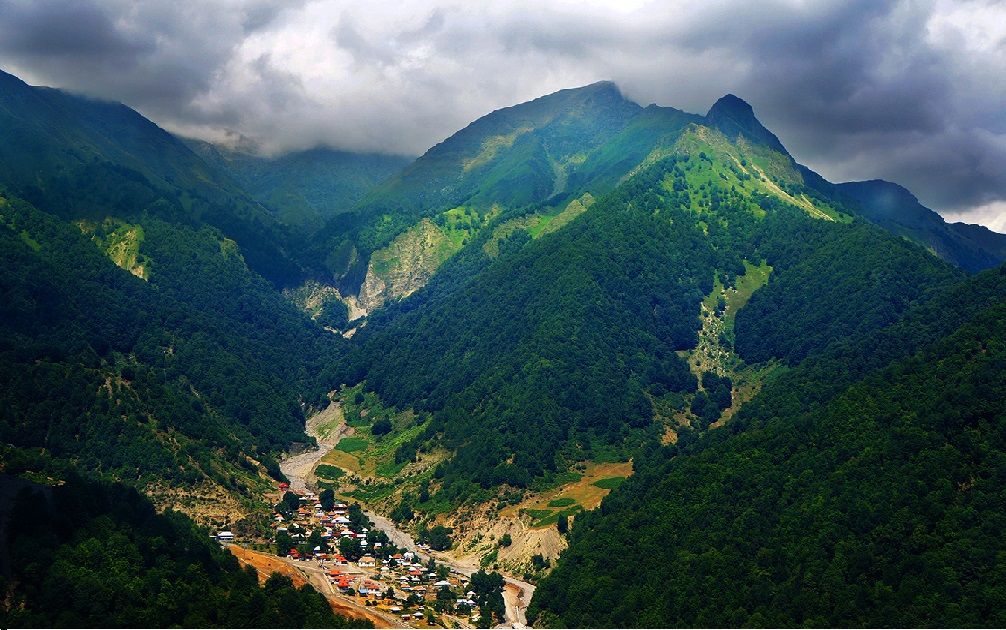 GABALA CITY, the administrative center of the region, is located in the foothills of Shahdag. The ancient city of KABALA, mentioned in Greek and Roman written sources (Pliny) in the first century AD, was built about 2,000 years ago and has been the capital of Caucasian Albania for more than 600 years. The ruins of the ancient city of Gabala are located near modern Gabala (15 km away) in the area between the GARACHAY and COVURLUCHAY rivers. Monuments such as the tomb of Imam Baba (18th century) and the FRIDAY MOSQUE remain in the city of Gabala. The city also has a large local history museum. Numerous archeological finds discovered in the region have been collected in this museum.
Here tourists will be able to find everything you need for a good rest. Mountain air, beautiful rivers, waterfalls and lakes delight the eye. The Alexander Dumas unique tourist route in the Caucasus is located in the Gabala region. This route is the same age as the writer's arrival in the Caucasus in 1858.
Not far from Gabala, in the village of Nic, there is a unique architectural monument - the temple of Udi. Udi is considered to be a descendant of the ancient Albanians, and this special ethnic group has 10,000 members. They have managed to preserve their language and cultural traditions to this day. In recent years, the temple has been restored and is now open to tourists. This recreation area is a popular tourist center open not only to residents of Azerbaijan, but also to tourists from different countries. Every year, music festivals of mugam, jazz, classical music and piano are held here. In addition, a large entertainment center "Gabalaland" was built in Gabala. It is the largest amusement park in Azerbaijan, located on 16 hectares. There is an ice rink, sports grounds, go-karting, XD theater.
Culture and tourism in the region are currently developing rapidly. There is a very interesting hotel "Qafqaz Sport Gabala", "Qafqaz Resort Hotel", "Qafqaz Riverside Resort Hotel", "Seven Beauties Caucasus Resort " , "Thermal and Spa Resort hotel in the Caucasus," "Caucasus Caravanserai Boutique hotel."
AI ISHYGY recreation area is located on the outskirts of Gabala. High tourist service includes "mountain hostels", forest, excursions, hunting and fishing recreation.
Located 5 km on Baku-Gabala highway (the area of 1.5 hectares), "Beach Lake Nokhur " recreation area is located. Tourists can go to waterfalls, forests, historical monuments.
OĞUZ
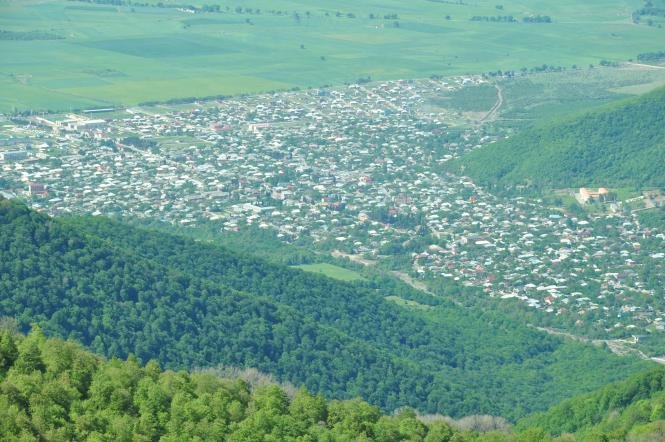 OGUZ DISTRICT is located in the Sheki-Zagatala zone of our country on the southern slopes of the Greater Caucasus. This region, which borders Russia to the north, is so beautiful that it is rightly called the "Switzerland of Azerbaijan." Less than half of the region's territory is covered with forests. There are many waterfalls, sulfur and thermal springs. The fauna of the region is represented by rabbits, bears, mountain goats, wild boars, pheasants, partridges, geese, as well as catfish and trout. Various fruits and berries grow in the region - walnuts, hazelnuts, apples, pears, cornel, hawthorn, cherries, cherries, currants and raspberries.
Carpet weaving (Filfilli village), metal and wood carving (BASH, DASH, AGIL village) are continued from traditional folk arts. The people here still lived a sedentary lifestyle in the Neolithic period. At the beginning of our era, this area became part of Caucasian Albania, and in the 18th century as part of the Sheki Khanate. Archaeologists have discovered ancient human settlements near the villages of Karimli and Garabaldir. Spearheads, bronze weapons, stone statues of women and sticks were found here.
There are many ancient historical and architectural monuments in the region. DASHUZ Bridge over SARISU river near Khachmaz village (XIX century), MOSQUE in SINJAN village (XVIII century), MAUSOLEUM in KERIMLI village (XV century), three-storey tower in MUXAS village (XIV century), QALADAGII mountain in Khachmaz village -XIV centuries) GAVURGALA tower (VII century), located near the peak of QALADAG, but supplied with drinking water, SURKHAYKHAN tower (XVIII century), built on the bank of the river GALACHAY, near the river FILFILLI, etc.
The administrative center of the district is OGUZ CITY. Ancient SYNAGOGALI (1849) JEWISH SETTLEMENT in the territory of Oguz city, ALBAN TEMPLE, where the local ethnography museum is located, is one of the oldest schools in Azerbaijan - a school built in the XIX century (there are similar schools in PADAR and KHACHMAZ villages).
Oguz itself is a small but clean city. There are very suitable places for hunting and fishing only 15-20 km away. Although the tourism potential of this area is not yet fully used, there are a number of recreation areas in the city and abroad, such as Guest Greenland, LT Hotel and Afra Hotel. The main attractions of this region are the KHAL-KHAL waterfall, as well as the "Goldfish" family recreation center, where entrepreneurs have created several artificial mountain lakes. The features of this recreation area allow guests to fish.
SHAKI
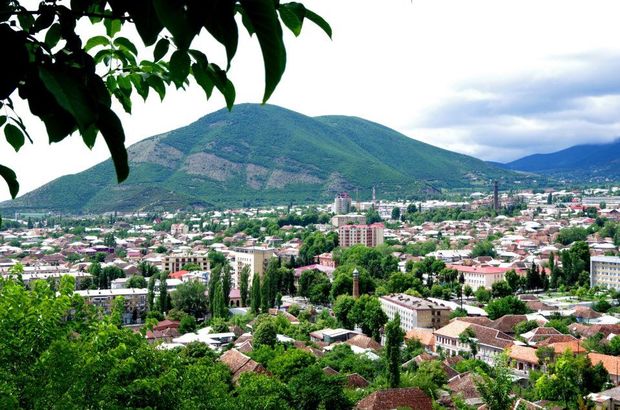 SHAKI DISTRICT is located on the picturesque southern slopes of the Greater Caucasus Mountains. Numerous monuments of early medieval architecture - castles, observation towers, churches, ruins of temples belonging to the period of Caucasian Albania - remain in the heart of Sheki. Monuments in the villages of BIDEYIZ, BAS KUNJUT, ORTA ZAYZIT, the church erected by the Holy Elysee in the village of KISH are of more interest. This church is considered to be the oldest Christian building in the territory of the Commonwealth of Independent States. At present, the church has been restored and turned into a museum.
SHAKI CITY Sheki is the main city of Zagatala region. Sheki, one of the oldest and most beautiful cities in Azerbaijan, is believed to have been built in the first millennium BC. The city is mentioned in Arabic, Turkish, Georgian, Russian and European written sources.
Scholars believe that the city was named after the Sak tribes who once lived here. Sheki is located on the Great Silk Road route. In his notes on Sheki, Ptolemy writes his name as Niga. Modern scholars equate the city of this name with the ancient city of Nukha. Older residents still call Sheki Nukha. When Sheki was flooded in 1772, the townspeople moved to the nearby surviving village of Nukha. At the time of the spread of Christianity, Sheki was one of the religious centers of Caucasian Albania. During the Arab-Caspian wars (VII-XIX centuries), this city became a site of military conflict and clashes. When the Arab Caliphate weakened, the principality established here was part of the Shirvanshah state.
During the reign of the Elkhanid dynasty, a period of progress began in Sheki, and the city became the center of an independent territory under the rule of the local ruler Sidi Ali (Seyid Ali). During Teymur's attacks, Sidi Ali seriously resisted the invaders, and then he led an army to help Nakhchivan, which at that time (1397-1398) heroically defended the ALINCA FORTRESS.
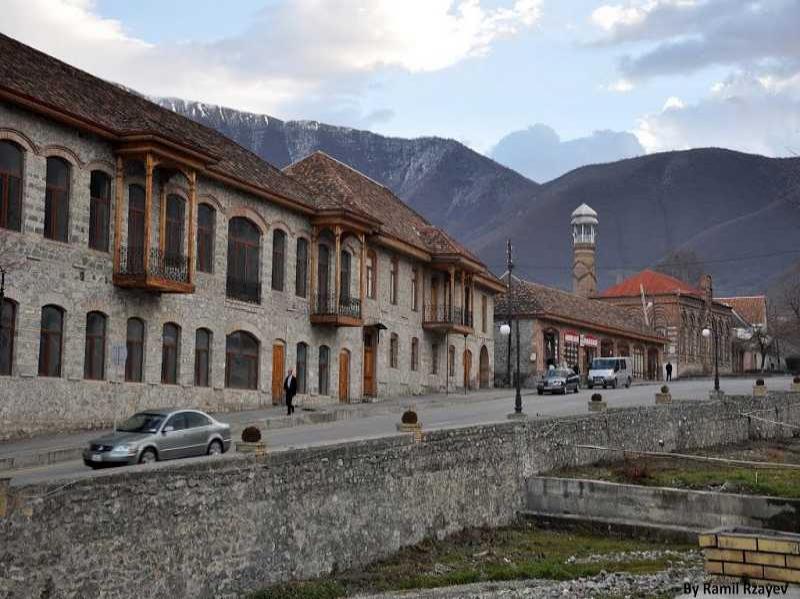
The famous Sheki markets were bustling with grain, embroidered tableware, and jewelry made by jewelers. There are different types of Sheki silk - soft and opaque, thin and transparent, dark in color or made of pink thread… The craftsmen of this city have made a great contribution to the development of trade along the Great Silk Road. Sheki was the center of silk production in the whole Caucasus. In 1862, 62,239 pounds of silk were produced in Nukha (Sheki) province. In 1861, the first silk spinning factory was built here. It was one of the largest factories in the world. Already in 1862, at the international exhibition in London, Sheki silk was awarded a gold medal.
Famous philosopher, writer and educator MIRZA FATALI AKHUNDOV is an honor of Sheki. House-museums of MF AKHUNDOV and SABIT RAHMAN have been established in this city. SHAKI KHAN PALACE is a unique example of the connection of folk architecture (carving on wood and plaster) with the traditions of palace architecture of the East (lacquered wall paintings).
The dimensions of the LOW Caravanserai and the Upper Caravanserai, built in the 18th century, show that trade flourished here in the Middle Ages.
Near Sheki, on the west bank of the Kish River, are the ruins of the ancient fortress "GELARSAN-GORERSAN". It is clear from the name of this fortress that its defenders were determined not to let the enemy into this fortress and were sure that the fortress would not be defeated. The events that happened to the heroes of Leo Tolstoy's "Haji Murad" take place in this fortress. Alexander Duma, Kempfer and N. Rayevsky visited Sheki. N.Rayevsky wrote in his letters: "Our camp is located in a forest of willow, pomegranate, plane and other trees ... Nukha is a very beautiful place." In 1805, the Sheki khanate became part of Russia and its existence as a khanate was terminated. Already in 1819, the Nukha province was established by the decree of the Russian tsar, and Sheki was governed by the tsar's commandant.
There are many attractive cultural objects in this city: Sabit Rahman Drama Theater, Museum of Decorative and Applied Arts, Art Gallery. Its residents have preserved their unique traditions and ancient art knowledge. Silk head coverings called "KALAGAYI" are even exported to Central Asian countries, where they are made by local artisans.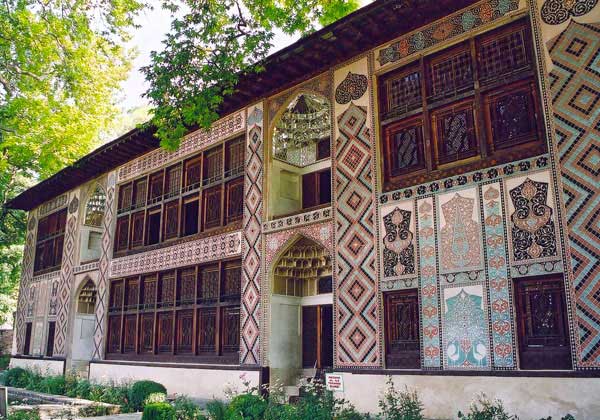 It is used to embroider on silk. Wooden chests with special patterns typical of Sheki are also made here. The shape of ornaments made by local jewelers has changed little since ancient times. The art of embroidery called TAKELDUZ is highly developed in Sheki. In the past, this work was mainly done by men. In addition, hat-making, making musical instruments and the art of NETWORK continue in Sheki. Such frames, made of patterned wooden mesh and covered with colored glass, are usually used in doors and windows. The original Sheki cuisine, which has no analogues in Azerbaijan, is also part of the unique culture of Sheki. An unusual dessert (Sheki halva) baked by Shekilis is made by spreading a thin layer of rice flour dough and cutting it into a patterned pattern.
Sheki is famous for its natural beauty. Here are all the conditions for active sports and simple but pleasant walks, while you can generally watch the mountains, forests and nature. Medical and massage centers, restaurants, cafes and shops are also opened for tourists.
There are modern hotel complexes in Sheki, such as the Sheki-Caravanserai hotel. Sheki Saray Hotel, Issam Hotel & Spa, Sheki Palace Hotel.
Marxal Resort & SPA hotels.
One of the perfect places to relax in Azerbaijan is Marxal Resort & SPA. This beautiful health complex is located at an altitude of 1,080 meters above sea level, near the city of Sheki, in the beautiful village of Marhal in the village of Kish. The hotel is surrounded by mountains on all sides, so here you will find fresh mountain air and an unforgettable vacation. For fun fans there is the opportunity to ride a bike, you can dance in a nightclub or sing in the karaoke hall, there is a cinema, bowling alley and billiard room. Every evening, hotel guests are waiting for interesting entertainment shows. There is a unique Amber Room - one of the few places in Azerbaijan that is unique and available in the world. The room is made of unrefined natural Ukrainian amber, which embodies solar energy. It is very nice to be in such a room.
QAX
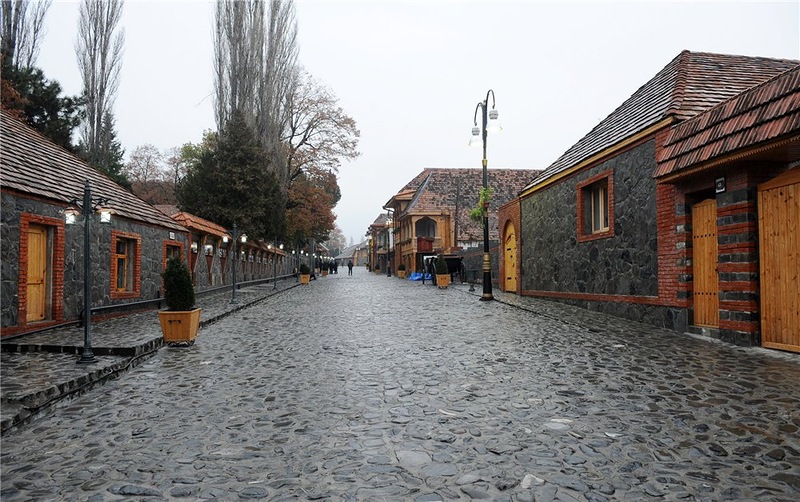 The GAX region, located in the north-west of the republic, borders Georgia. It has a dry climate in the south of the region, moderately warm and subtropical humidity in the center, cold in the mountains, and a climate with regular distribution of precipitation. As we can see, there are four climate zones in a relatively small area. The temperature fluctuations in Gakh are very high, from minus 40 degrees on the mountain tops to positive 40 degrees near Lake ACINOHUR.
ILISU State Reserve is located in the region (area is 9.2 thousand hectares). The main protected objects here are forests in the middle mountain range (90% of the reserve area). About 300 species of plants, including 90 species of wood and shrubs, and a number of endemic and endangered plant species can be found here. Mountain forests are inhabited by bears, mountain goats, wolves, wild boars, wild cats and jackals. There are suitable places for animals and fishing in the GANIG-AYRICHAY valley.
There are many historical monuments in Gakh region. Archaeologists have unearthed mounds here, proving that the region was still inhabited during the Bronze Age. Built in the 18th century, the GREAT BRIDGE, SUMUG FORTRESS and the mosque in its center were formerly the capital of the Ilisu Sultanate. Sumuq is remembered by the people as one of the forces behind Sheikh Shamil's adviser, the last of the local sultans, DANIYAL BEY. These places have been inhabited since ancient times. Archaeologists have unearthed jar tombs dating back to the 1st century BC. The square guard tower 10 meters high in Ilisu also survived (15th century). There are many thermal sulfur springs around this village.
Near the village of Tirmachi, in the forest of old oak trees, there is the grave of Sheikh Shamil's deputy (commander) Haji Murad. The headstone on his tombstone reads in Arabic: "Haji Murad Khunzakhski, a great martyr and Avar, is buried here."
Near the village of Gum, monuments of the Caucasian Albanian period - the fortress of SIRTGALA (XVIII century), the ruins of the SAND BASILIC (V century), the ROUND TEMPLE (VII century), and the TEMPLE COMPLEX (XII century) in the village of LAKIT have survived.
In the villages of SARIBASH and JALAIR, local women artisans weave original patterned carpets and woolen socks. In the village of GAKHBASH, local residents produce wine at home.
The administrative center of Gakh region - GAKH CITY is located at an altitude of 500 meters above sea level. Located on the banks of the mountain river GURMUKHCHAY, at the foot of the Greater Caucasus Mountains, the name of this city means "Fortress".
Here you will stay in EL Resort, Eden Park Hotel, Senger Gala, Ulu Dag Resort and Green Park Resort, hotels, as well as Ilisu and Shafa medical boarding houses, you can take hot baths.
ZAQATALA
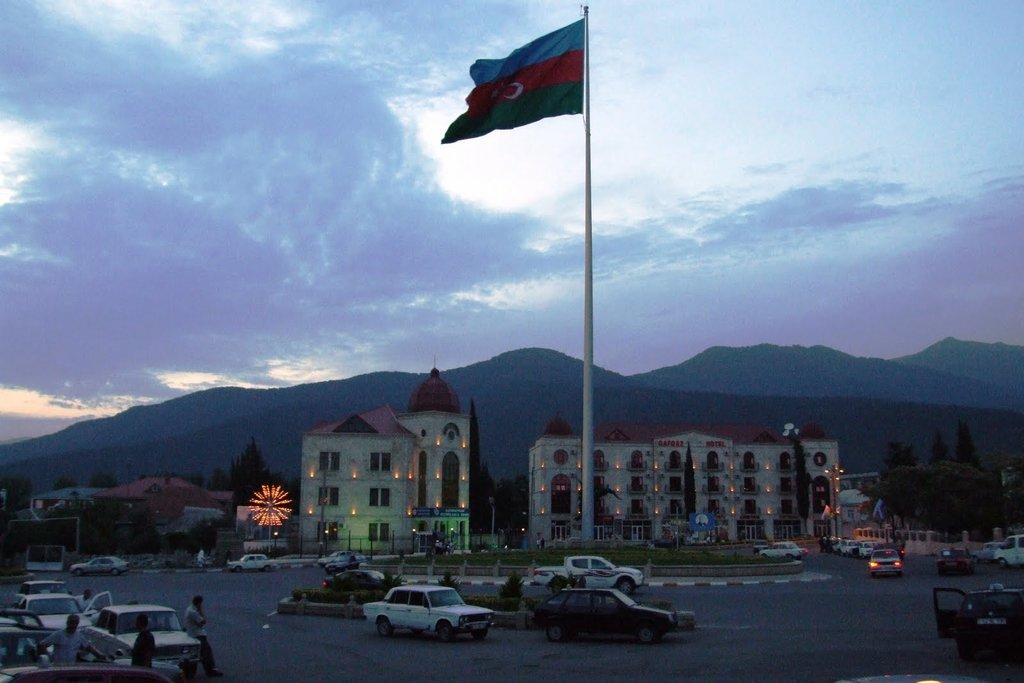 ZAGATALA DISTRICT is located on the slopes of the Greater Caucasus, in the north-western part of the republic. The region borders Russia to the northeast. The relief of the region is mountainous and plain, the climate is cold in the mountains and warm in the plains. There are many forests in the region, but they are mainly located in the mountains and foothills. The flora of Zagatala region is rich in various valuable tree species - chestnut, walnut, hazel, oak, hornbeam, elm, etc. The fauna is represented by deer, mountain goats, wild boars, bears, wolves, rabbits, as well as many species of birds - partridges, partridges, hawks, hawks, partridges, nightingales and nightingales.
In 1929, the ZAGATALA State Reserve was established here on the southern slopes of the Main Caucasus Mountains. Now with an area of 23,843 hectares, the reserve is located at an altitude of 650-3646 meters above sea level and covers the territory of both Zagatala and Balakan districts. There are suitable places for tourists to rest and spend the night in the reserve. It snows a lot in winter near the village of QAS.
Along with Azerbaijanis, representatives of other ethnic groups - Russians, Avars, Lezgins, Tsakhuos, Tatars, Ingilis - live in the Zagatala region - about 20 people live here peacefully.
The historical monuments of the region are located in the villages that have survived in ancient times. 18th century mosques in GOZBARAKH and HALAL villages, two 14th century towers in KEBELOBA village, 12th century tower in MAZIX village, 5th century fairy tower in YUKHARI CHARDAKHLAR village, 14th century CINGAZ tower in JAR village and the local history museum, the Albanian Tower in the village of Pashan (13th century) and the Albanian Tower in the village of Akhakhdara (12th century), mosques built in the 19th century in the villages of Aliabad and Mosul in various villages of the region have survived.
Tourists love to visit the village of South Africa, located 6 km northwest of the city of Zagatala. In addition to being a beautiful corner of local nature, this village 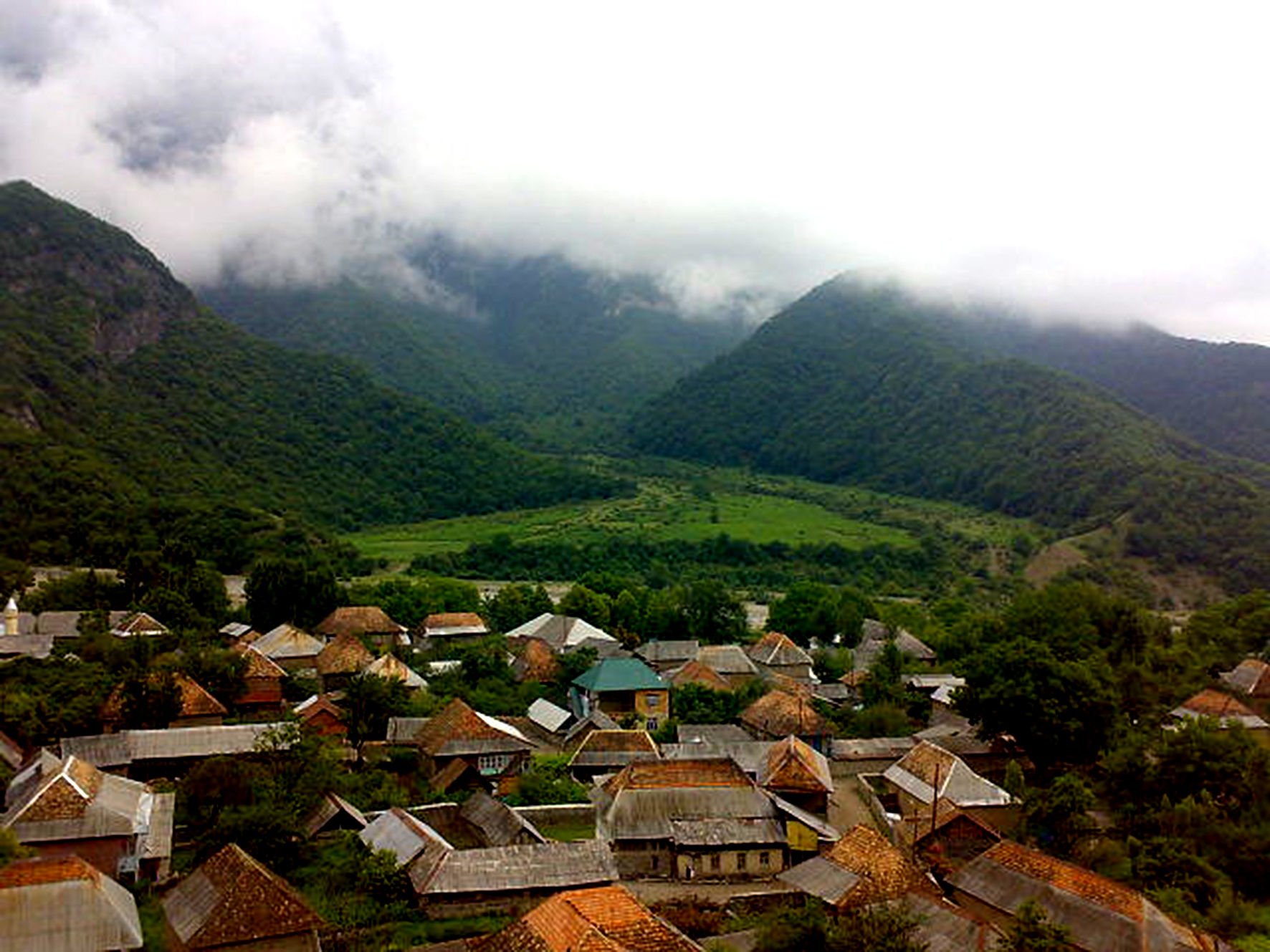 preserves the original architectural, construction and household traditions typical of this region .
ZAGATALA CITY, the administrative center of Zagatala region, is located on the banks of the TALACHAY River at an altitude of 535 meters above sea level. The distance from Baku is 372 km.
This city deserves to be called a real resort due to its climatic characteristics and beautiful nature. There is a culture and recreation park on an area of 15 hectares, and a very interesting natural monument - an 800-year-old plane tree.
The ancient fortress of the city (1830) is interesting not only because of its antiquity, but also because the sailors who once rebelled in the armored boat "POTYOMKIN" were imprisoned here. A monument to S. Demashko, one of the participants in the uprising on the ship, was erected in a local park. The monument to Sevil Gaziyeva, the first Azerbaijani machine operator behind the wheel of a cotton picking machine, is also interesting.
The Museum of History and Ethnography in Zagatala has a rich collection of medieval manuscripts.
Another interesting Zagatala monument is the Armatai Fortress, which is associated with the legendary hero Prometheus. The city has an ancient fortress built in 1830. Zagatala has a museum of local lore with a rich collection of medieval manuscripts. Lodging "Zagatala Hotel" is available "Turgut hotel", "Salamander Cottage" "Hotel Is" and cottages in Ashagi village recreation area in the woods near the village of Car "Lezzet", "Tala", TALA and "TURGUT" motels; "Zagatala" agrotourism "There are also.
BALAKEN
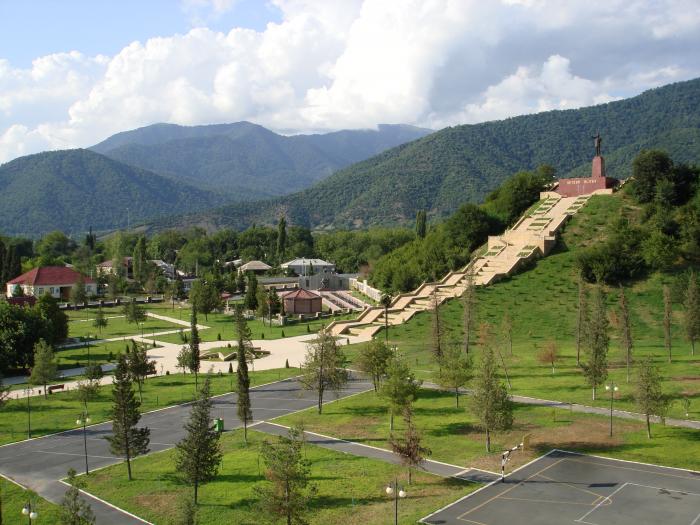 BALAKAN DISTRICT, located in the northeast of Azerbaijan, borders Georgia to the south and west, and Russia to the north and east.
The relief of the region is characterized by contrast: here the mountains and plains alternate. Mild-warm winters are observed in the plains, dry winters, and mild-warm winters in the foothills with regular distribution of precipitation, and cold-humid winters in the mountains (average annual humidity is more than 40%).
There are many mountain rivers, a beautiful lake near Mount KATEX, and in the north of the region the area is completely covered with forests. More than half of the territory of Zagatala reserve is located in Balakan region. In 1929, the ZAGATALA State Reserve was established here on the southern slopes of the Main Caucasus Mountains. Now with an area of 23,843 hectares, the reserve is located at an altitude of 650-3646 meters above sea level. This reserve can be divided into mountain-forest (67.4%) and mountain-meadow parts due to the nature of its vegetation. The flora of the reserve includes more than a thousand species, including rare plant species (hornbeam, alder, oak, walnut, chestnut, acacia, more than 30 species of medicinal plants). The fauna of this region is also rich. The widespread use of the black Caucasian forest rooster should be noted.
There are many historical and architectural monuments in the region. Archaeologists have unearthed many ancient human settlements from the Early Iron Age. For example, in the NOXO cave near the GOBEK rock, 2 km from the village of MAHAMALLAR, traces of early Iron Age human settlements remain. Again, near the village of MAHAMALLAR, pit graves (II-I centuries BC), remains of a shrine and residential buildings (V-VIII centuries), a mosque (XVIII century), a tower (XIX century), castle walls have survived.
GROUND WATER RESERVOIR and MOSQUE of XVIII century in GULLAR village, MAUSOLEUM of XIV century in TULU village, TEMPLE of XIV century in HANIFA village, MOSQUE of XVI century in KHALATALA village, ALBAN MEBI in HANIFA and MAZIMCHAY villages of HANIFA and MAZIMCHAY villages , MEKLEKAN MOUNTAIN CITY belonging to the early Middle Ages.
The administrative center of Balakan district is BALAKAN CITY. The distance from Baku is 394 km. The mosque building of the XVII-XIX centuries in the city, which is interesting because of its unusually high minaret, has survived.
The museum of local lore of the region contains traditional art products for this region, archeological finds confirming that the place was settled in the Neolithic period, and other exhibits that allow to follow the events related to the history of the region. Coppersmithing, netting (making patterned wooden frames for doors and windows), wood carving and pottery are well developed in Balakan. The TAKELDUZ embroidery, which is rare in Azerbaijan, is also preserved here (Takelduz is the art of embroidering colorful fantastic patterns with silk thread on a dark background).
Balakan has a large city park with an area of 7.5 hectares. After a walk in the city, it is possible to relax in this park.
The range of flora and fauna of Balakan region creates useful prospects for the development of tourism. 12 tourist routes and recreation areas have been identified in the region. Sports and rural tourism are mainly developing in Balakan region. Most tourists visiting the region prefer this type of tourism. The city has a large culture and recreation park with a cable car. You can also stay here at Qubek Hotel and Elite Saray Hotel.


কোন মন্তব্য নেই:
একটি মন্তব্য পোস্ট করুন