MILITARY HISTORY OF AZERBAIJAN
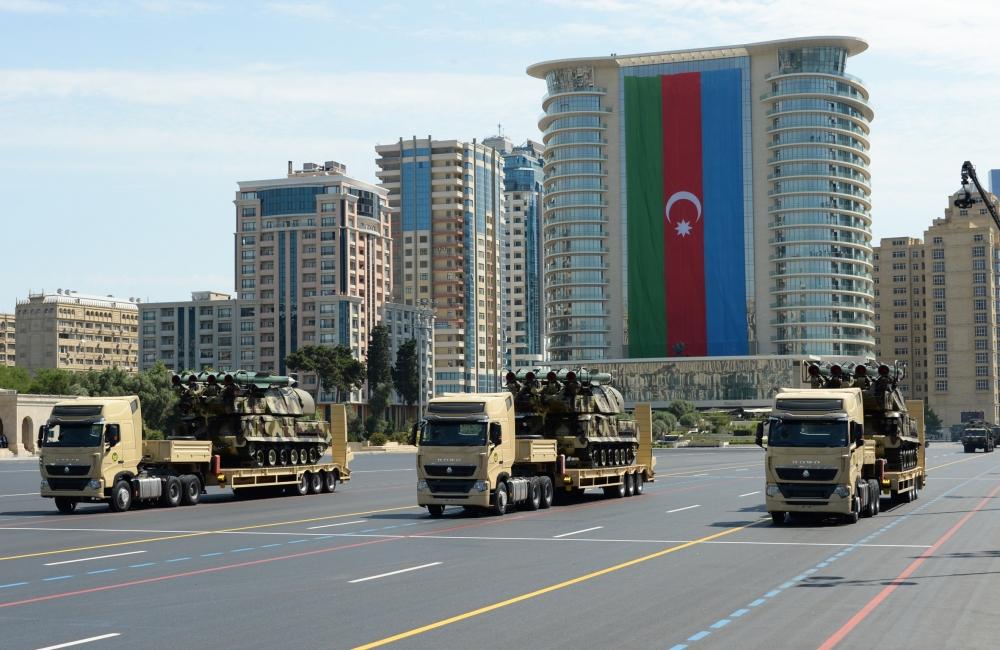 The people of Azerbaijan, with its ancient and complex history, have fought for their freedom and statehood for centuries and millennia. Due to its rich natural resources, favorable and strategic geopolitical position, our country has always been under pressure from powerful states and military aggression. Nevertheless, our people managed to maintain its existence and showed examples of courage and heroism in the fight against the most powerful enemy armies. Commanders and statesmen such as Javanshir, Babek, Shah Ismail Khatai have created a whole chronicle of the heroic history of Azerbaijan. The glorious life and activity of such a brave commander and head of state has further strengthened the people's love for the homeland, freedom and statehood, making it the most important goal of our lives. The valuable traditions they have created over the centuries,
After the fall of Tsarist Russia in 1918, the Azerbaijan Democratic Republic, the first democratic republic in the East, was established. Despite the fact that it lasted only 23 months, all the attributes of an independent state, including our national army, were formed during the Republican period. On June 19, 1918, the ADR government, which had to fight against the occupation policy of both Armenians and Bolsheviks, declared martial law throughout Azerbaijan, taking into account the tense situation. On June 26, a decision was made to establish a military corps in the status of a division and the foundation of the national army was laid in Azerbaijan. In 1918-1920, under the leadership of our prominent generals Samad bey Mehmandarov, Aliaga Shikhlinsky and other professional servicemen, units of the national army with high combat capability, military training and discipline were formed in Azerbaijan. As noted, the establishment of the Azerbaijani National Army began with a decree dated June 26, 1918. On August 1, the Military Ministry of the Popular Front was established. Talented General Samad bey Mehmandarov was appointed Minister of War on December 25, and Lieutenant General Aliaga Shikhlinsky was appointed Deputy Minister. In a short time, the National Army, together with the Caucasus Islamic Army of the Ottoman Empire, saved Baku and surrounding areas from Armenian-Bolshevik occupation. These military units were highly skilled in suppressing the uprisings against the national government in Mugan and Askeran, and dismantled the Armenian regular army units that violated the Azerbaijani border in Gazakh. At that time, the Azerbaijani army had such talented generals as Huseynkhan Nakhchivanski, Ibrahim agha Usubov, Hamid Gaitabashi, Kazim Gajar, Javad bey Shikhlinsky, Habib bey Salimov. By the decree dated June 26, 1918, the establishment of the Azerbaijan National Army began. On August 1, the Military Ministry of the Popular Front was established. Talented General Samad bey Mehmandarov was appointed Minister of War on December 25, and Lieutenant General Aliaga Shikhlinsky was appointed Deputy Minister. In a short time, the National Army, together with the Caucasus Islamic Army of the Ottoman Empire, saved Baku and surrounding areas from Armenian-Bolshevik occupation. These military units were highly skilled in suppressing the uprisings against the national government in Mugan and Askeran, and dismantled the Armenian regular army units that violated the Azerbaijani border in Gazakh. At that time, the Azerbaijani army had such talented generals as Huseynkhan Nakhchivanski, Ibrahim agha Usubov, Hamid Gaitabashi, Kazim Gajar, Javad bey Shikhlinsky, Habib bey Salimov. By the decree dated June 26, 1918, the establishment of the Azerbaijan National Army began. On August 1, the Military Ministry of the Popular Front was established. Talented General Samad bey Mehmandarov was appointed Minister of War on December 25, and Lieutenant General Aliaga Shikhlinsky was appointed Deputy Minister. In a short time, the National Army, together with the Caucasus Islamic Army of the Ottoman Empire, saved Baku and surrounding areas from Armenian-Bolshevik occupation. These military units were highly skilled in suppressing the uprisings against the national government in Mugan and Askeran, and dismantled the Armenian regular army units that violated the Azerbaijani border in Gazakh. At that time, the Azerbaijani army had such talented generals as Huseynkhan Nakhchivanski, Ibrahim agha Usubov, Hamid Gaitabashi, Kazim Gajar, Javad bey Shikhlinsky, Habib bey Salimov.
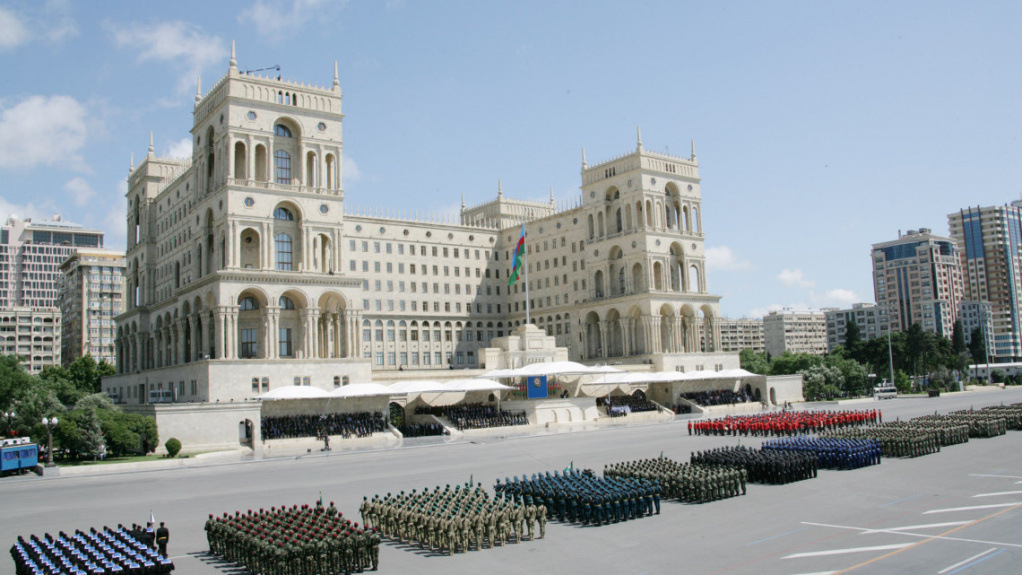 At the meeting of the Azerbaijani Parliament held on August 18, 1919, the "Law on the Establishment of the Border Guard of the Republic of Azerbaijan in relation to Customs" was adopted. Article 8 of the Law, which consists of 8 articles, states: "In order to protect the borders of the Republic of Azerbaijan from illegal trade and combat smuggling, along the borders of Azerbaijan, in accordance with the attached deployment points, the number reaches ninety-nine (99), nine hundred ninety-two (992 ) to establish border posts consisting of security guards… "
Unfortunately, after the occupation of Azerbaijan by the Bolshevik Russian army, the national army units, which are the most important attribute of our independence, were abolished. During the years when Azerbaijan was part of the former Soviet Union, the Soviet leadership always created an artificial obstacle to the formation of a national officer corps and the promotion of Azerbaijanis to high military positions, which was purposeful.
However, all these obstacles did not shake the military traditions and fighting spirit of the Azerbaijani people. The course and results of the Second World War in 1939-1945 once again confirmed this fact. The people of Azerbaijan, remaining true to their rich military-historical traditions, showed real courage and determination in this war as well. At that time, Azerbaijani divisions passed the glorious battle route from the Caucasus to Berlin. On the fronts of the Second World War, General Hazi Aslanov, Mehdi Huseynzade, Ziya Bunyadov, Israfil Mammadov, Garay Asadov, Malik Maharramov and other heroic sons showed a real example of courage and bravery. Thanks to their heroism, the glorious military historical traditions of Azerbaijan were successfully continued in the twentieth century.
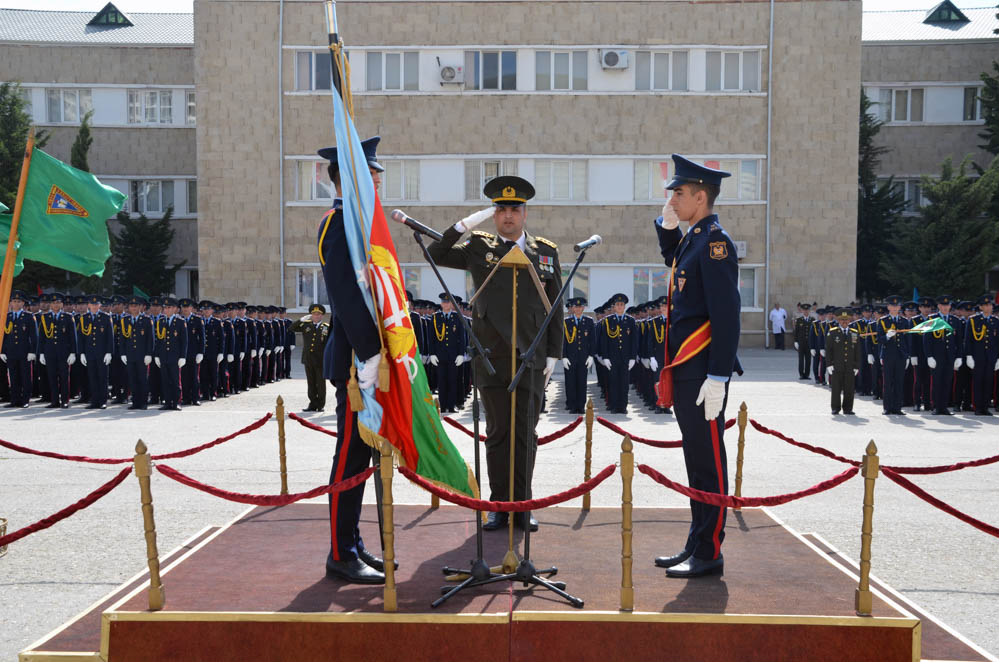 From the post-war period until 1969, the leadership of the Union was still jealous of military training in Azerbaijan. Only during the period when our national leader Heydar Aliyev led our republic, the issues of army building and training of national officers were always put forward. In 1971, as a result of great efforts, Heydar Aliyev succeeded in establishing a school for the training of military personnel in Azerbaijan - a military lyceum named after the prominent commander Jamshid Nakhchivanski. At that time, Azerbaijan sent about 60,000 young people to the army every year. However, the vast majority of them fell into the construction battalions. Azerbaijani officers in military units could be counted on the fingers of one hand. Therefore, the opening of such a military school in Baku was of great importance.
Heydar Aliyev also succeeded in admitting Azerbaijani youth to the Baku Higher United Command and Baku Higher Naval Schools, as well as to other military schools of the USSR on preferential terms. Thus, 20 years before the independence of Azerbaijan, the national leader Heydar Aliyev organized the necessary base for the training of national military personnel at the highest level. Indeed, after gaining our independence, this military school became the mainstay of the national army.


কোন মন্তব্য নেই:
একটি মন্তব্য পোস্ট করুন